 Tobin
TobinExplore
Jump in anywhere, in any order. Every activity reshuffles each time you play, so there's always something new. You earn amu for every right answer.
Big questions to wonder about
By the end of this unit, you'll be able to answer every one of these.

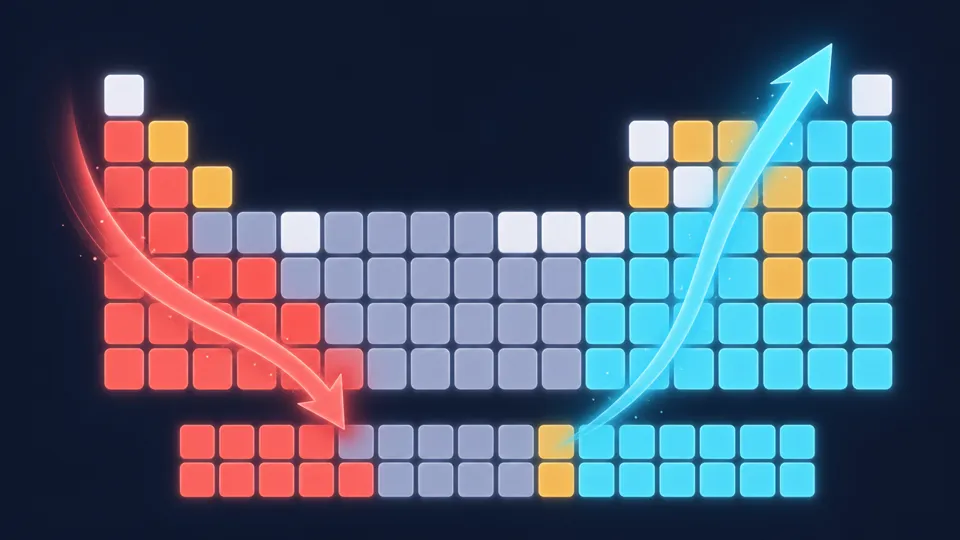
If you kept cutting a piece of foil in half forever, would it always stay aluminum?
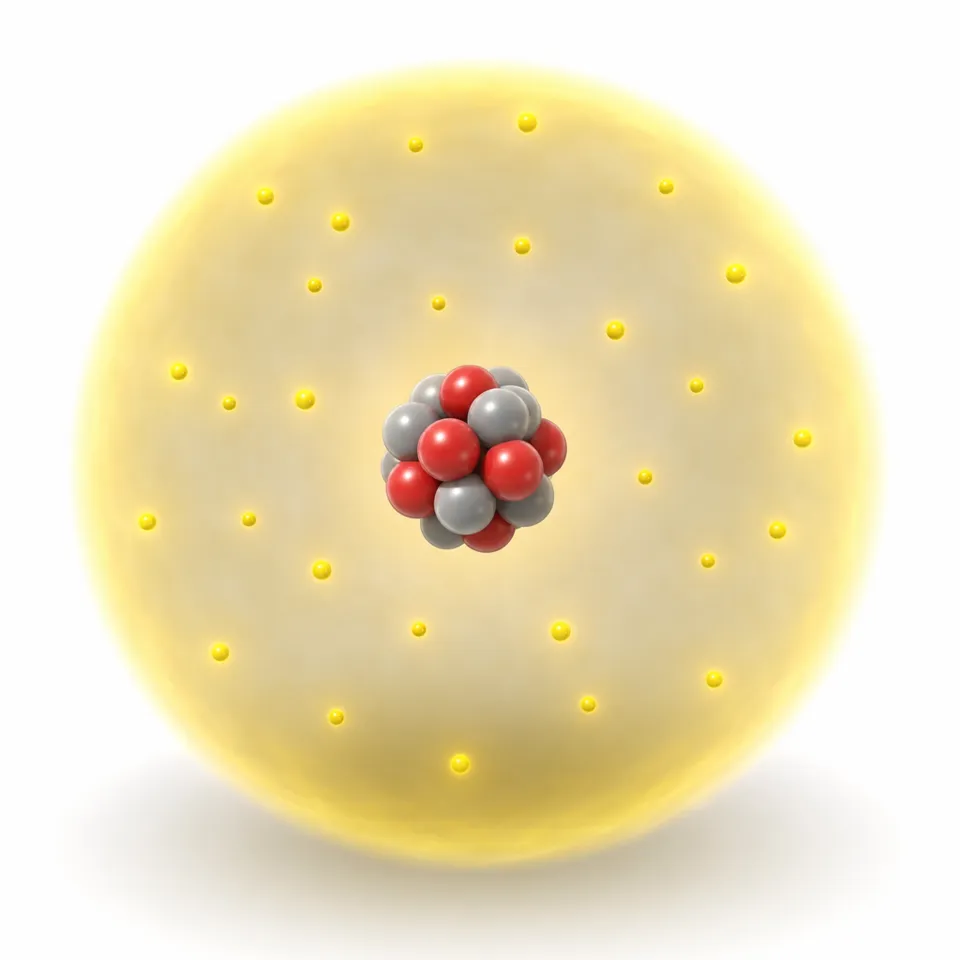
If atoms are mostly empty space, why doesn't your hand pass right through your desk?
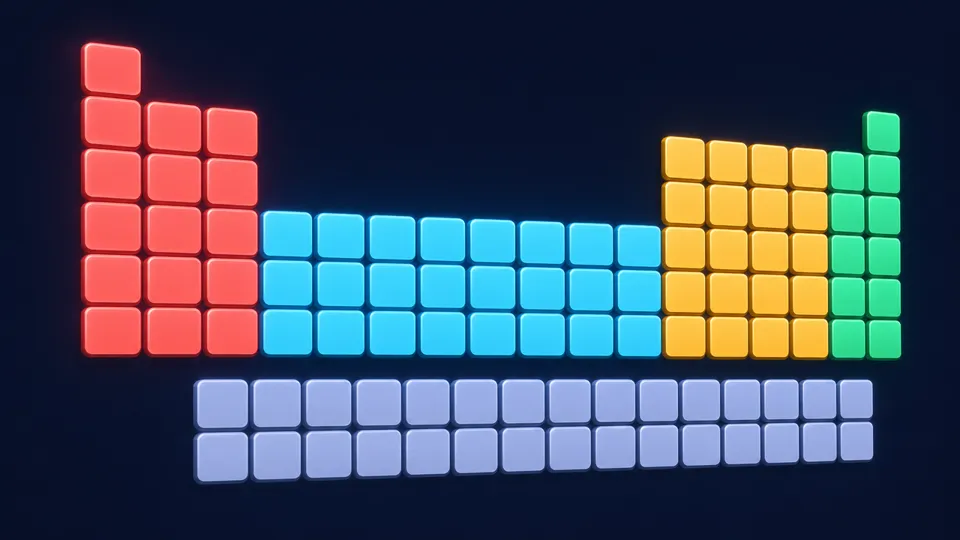
Gold, oxygen, and carbon are all made of atoms. So why do they act so differently?
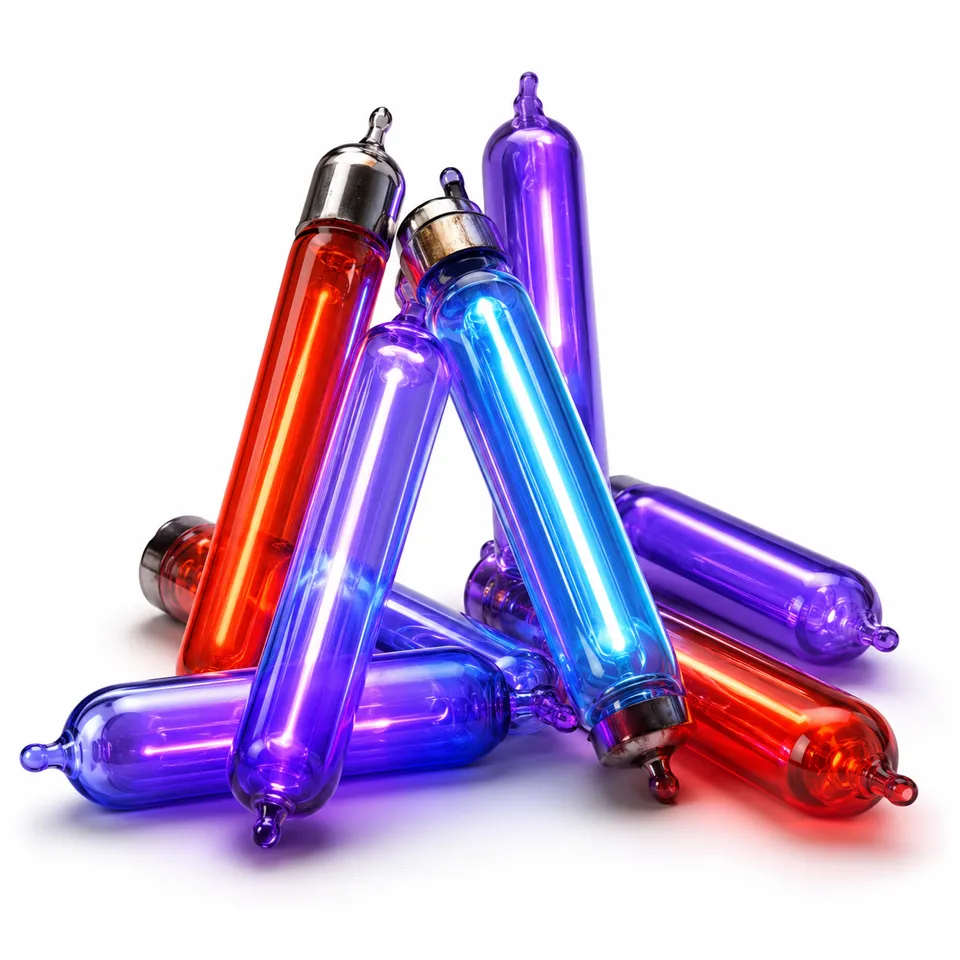
Why do noble gases almost never react with anything?
Word Wall
The 14 words you'll own by the end of this unit. Tap any card to flip it. Words you collect in the activities get a ✓.
Unit Roadmap
Three parts, in the order we'll learn them.
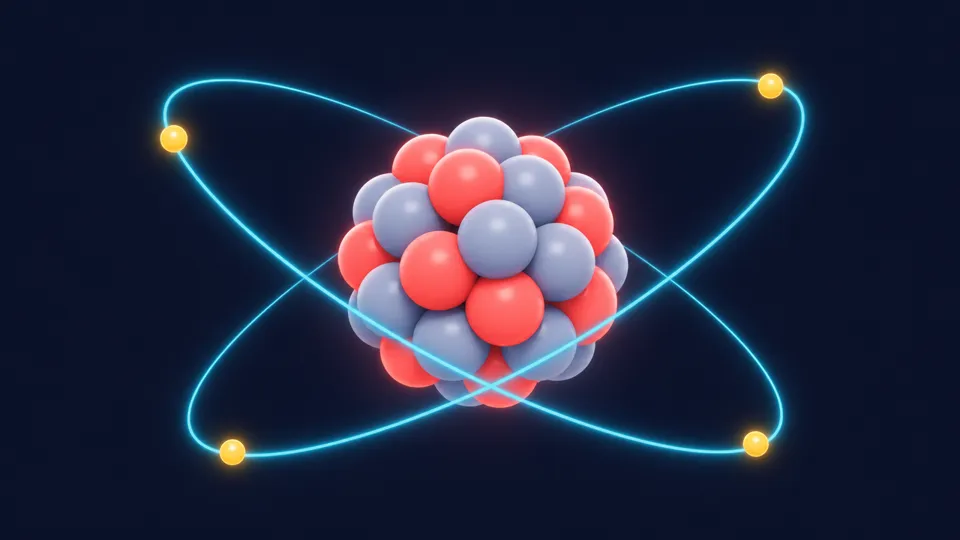
Part 1: Inside the Atom
- What an atom is
- Protons, neutrons & electrons
- Atomic number & mass number
- Bohr models (elements 1–20)
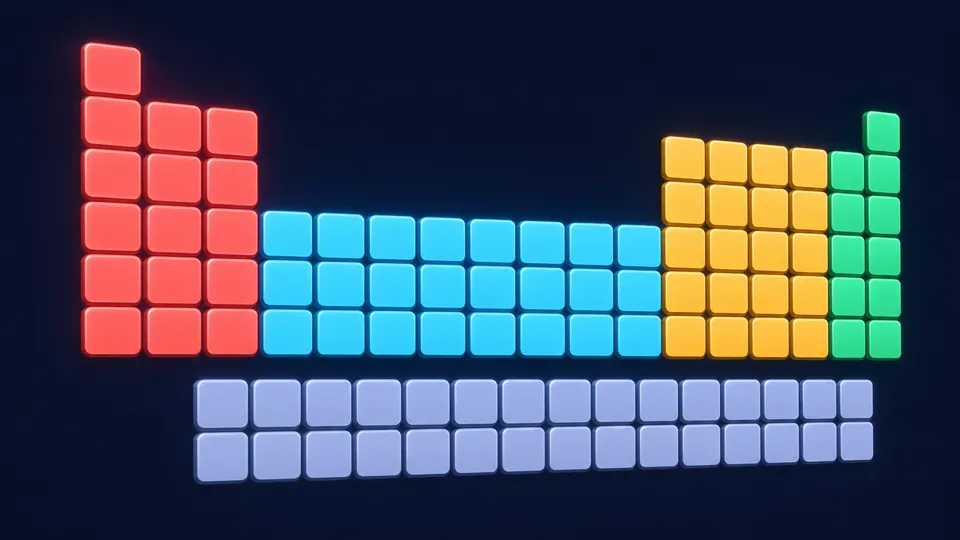
Part 2: Reading the Periodic Table
- Anatomy of an element square
- Periods and groups
- Metals, nonmetals & metalloids
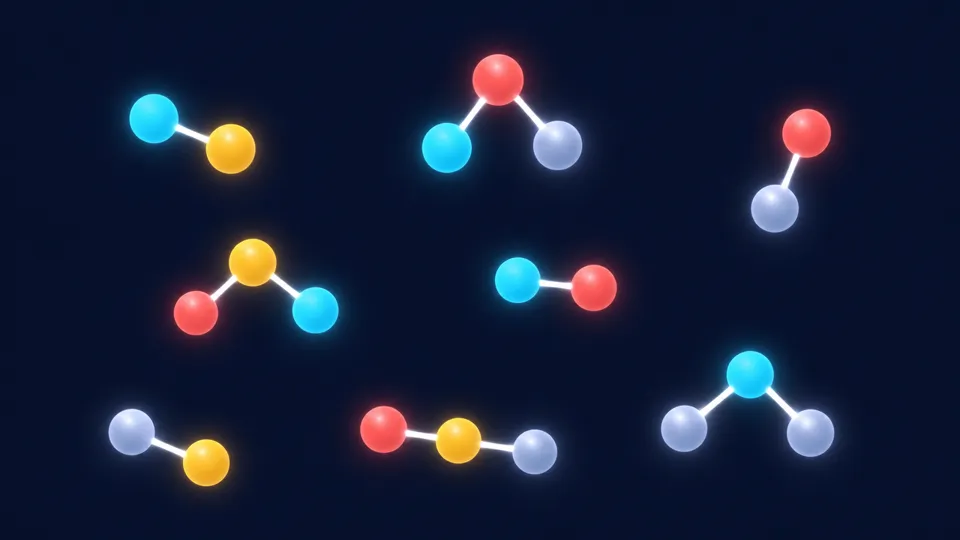
Part 3: Patterns, Families & Simple Molecules
- Valence electrons
- The famous families
- Why noble gases are so stable
- Simple molecules: H₂O, CO₂, O₂
Learning Targets & Success Criteria
I am learning to…
- Describe the structure of an atom — protons, neutrons, and electrons — and where each one is found
- Use the periodic table to find an element's atomic number, mass number, and numbers of protons, neutrons, and electrons
- Analyze patterns in the periodic table: periods, groups, valence electrons, and metals vs. nonmetals
- Model atoms with Bohr diagrams and simple molecules like H₂O, CO₂, and O₂
I will be successful when I can…
- Name the three subatomic particles and give their charges, masses, and locations
- Calculate the numbers of protons, neutrons, and electrons from the atomic number and mass number
- Draw a Bohr model for any of the first 20 elements using the 2-8-8 rule
- Decode an element square: atomic number, symbol, name, and atomic mass
- Identify periods, groups, and where metals, nonmetals, and metalloids sit on the table
- Predict how an element behaves from its group and explain why noble gases are stable
- Count the atoms in a simple molecule like H₂O, CO₂, or O₂
Standards
Obtain, evaluate, and communicate information about the structure and properties of matter.
Develop models (e.g., atomic-level models, including drawings, and computer representations) by analyzing patterns within the periodic table that illustrate the structure, composition, and characteristics of atoms (protons, neutrons, and electrons) and simple molecules.
The Atom
S8P1.eThe Periodic Table
S8P1.eKeep going
Free activities for this unit that go deeper.