 Tobin
TobinExplore
Jump in anywhere, in any order. Every activity reshuffles each time you play, so there's always something new. You earn joules for every right answer.
Big questions to wonder about
By the end of this unit, you'll be able to answer every one of these.
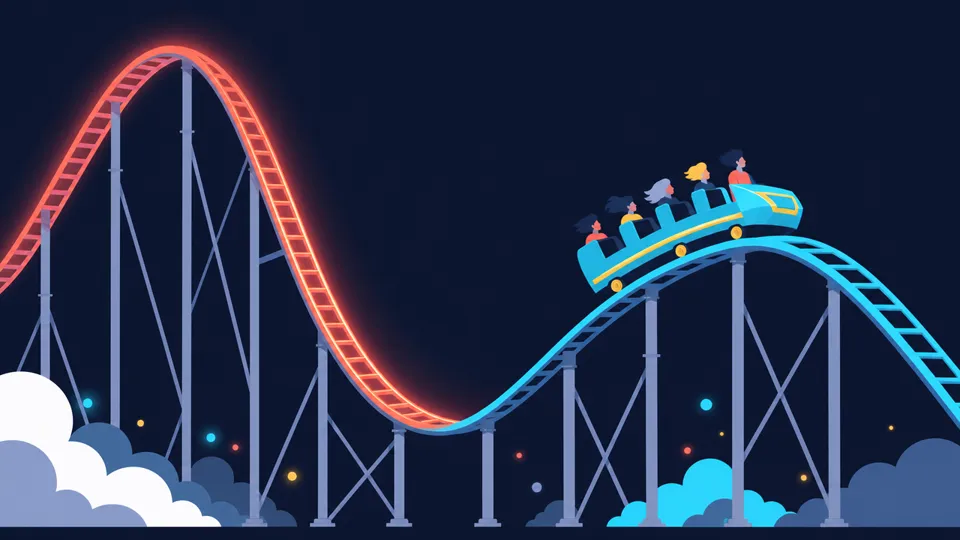
If nothing pushes a roller coaster, what keeps it moving for almost a mile?
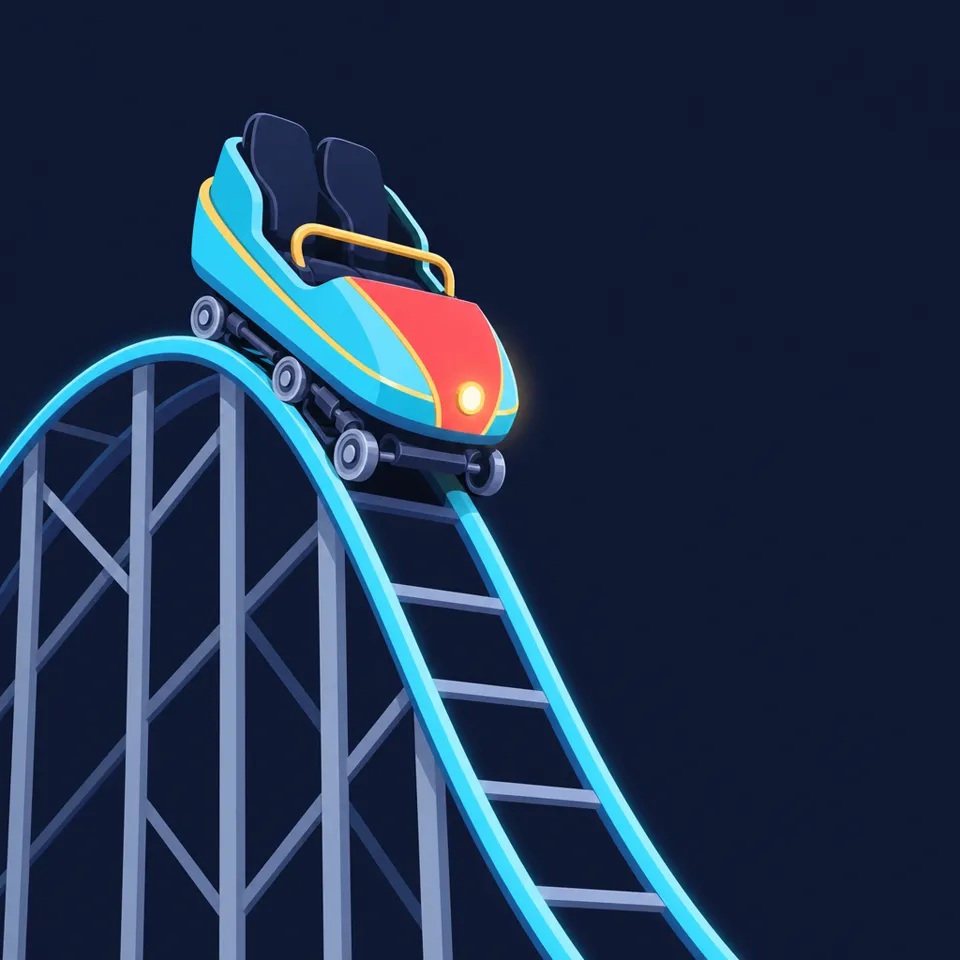
Why is the first hill always the tallest hill on the ride?
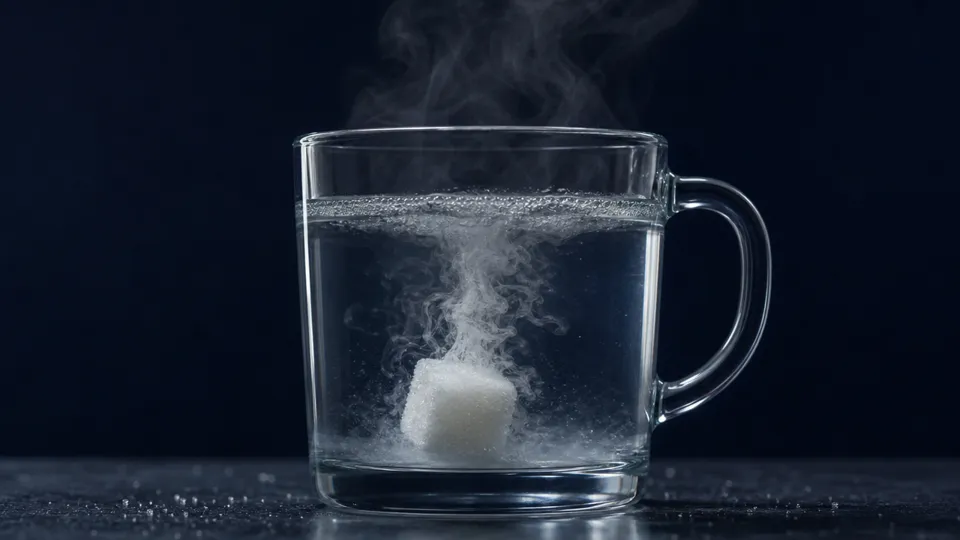
Two cups of water look identical, but food coloring races through one and creeps through the other. Why?

A metal spoon and a wooden spoon sit in the same room all night. Why does the metal one feel colder?
Word Wall
The 14 words you'll own by the end of this unit. Tap any card to flip it. Words you collect in the activities get a ✓.
Unit Roadmap
Four parts, in the order we'll learn them.
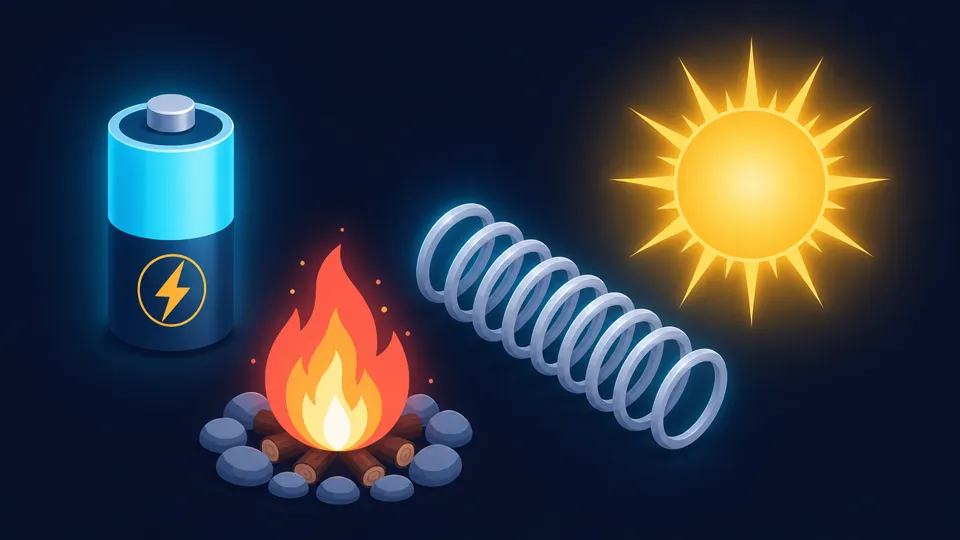
Part 1: Forms of Energy
- What energy is
- The forms of energy: chemical, electrical, light, sound, thermal, mechanical
- Kinetic vs. potential: the two big families
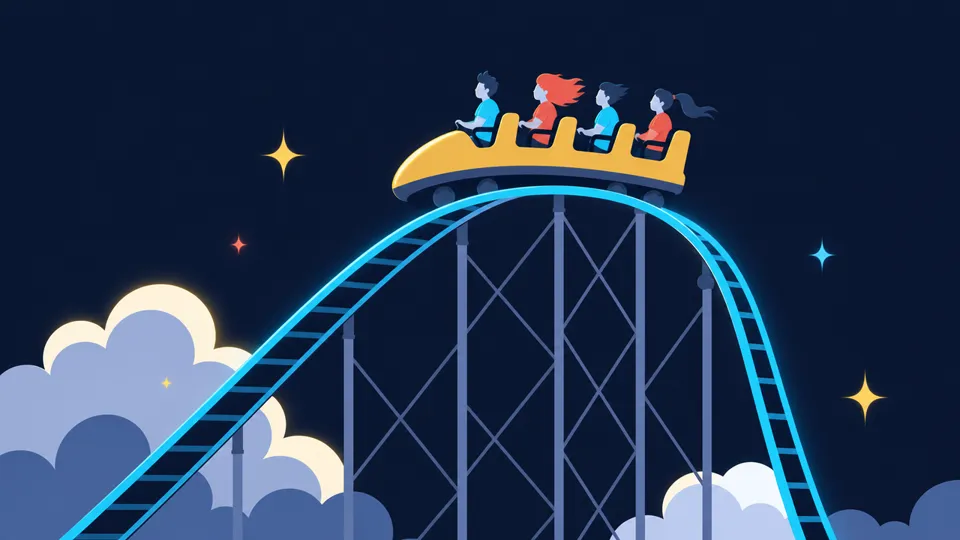
Part 2: Kinetic & Potential Energy + Graphing
- What kinetic energy depends on
- What gravitational potential energy depends on
- The four S8P2.a graphs (one of them curves)
- Reading a roller coaster
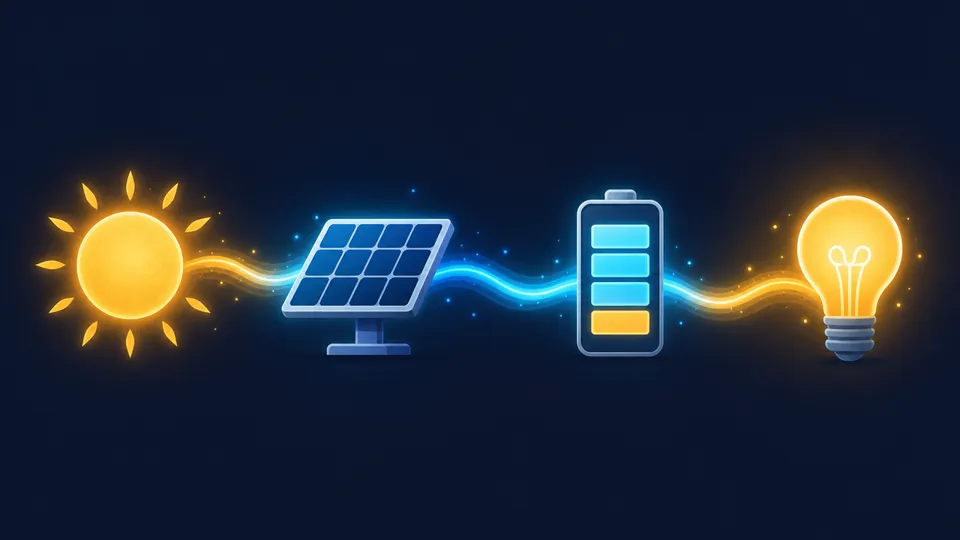
Part 3: Transformations & Conservation
- Energy transformations
- The law of conservation of energy
- Energy bar charts on a coaster
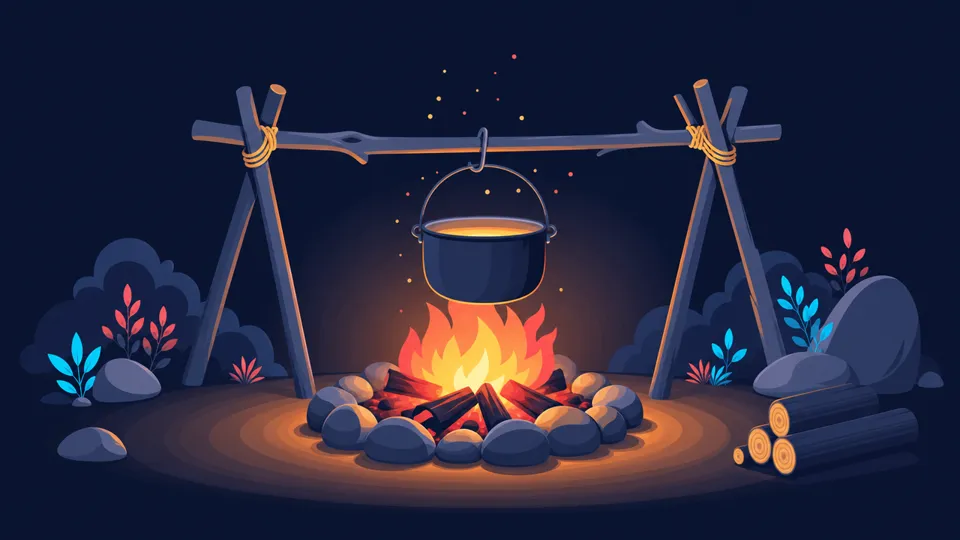
Part 4: Heat Transfer
- Temperature, thermal energy, and heat
- Conduction, convection, and radiation
- Labeling the campfire scene
Learning Targets & Success Criteria
I am learning to…
- Identify the forms of energy and explain the difference between kinetic and potential energy
- Analyze how kinetic energy depends on mass and speed, and how gravitational potential energy depends on mass and height
- Explain how energy transforms within a system and why the total amount of energy is always conserved
- Describe how heat moves by conduction, convection, and radiation, and how it changes the motion of particles
I will be successful when I can…
- Name the form of energy in an everyday object or event (chemical, electrical, light, sound, thermal, kinetic, potential)
- Create and interpret graphs of kinetic energy vs. mass, kinetic energy vs. speed, and potential energy vs. mass and height, and identify the one graph that curves
- Trace kinetic and potential energy through a roller coaster, pendulum, or rubber band and identify where each is greatest and least
- Construct an argument, using evidence, about the energy transformations in a system such as a lit match or a light bulb
- Use the law of conservation of energy to explain where energy goes when a moving object slows down
- Explain conduction, convection, and radiation in terms of particle motion and classify real-world examples of each
Standards
Obtain, evaluate, and communicate information about the law of conservation of energy to develop arguments that energy can transform from one form to another within a system.
Analyze and interpret data to create graphical displays that illustrate the relationships of kinetic energy to mass and speed, and potential energy to mass and height of an object.
Plan and carry out an investigation to explain the transformation between kinetic and potential energy within a system (e.g., roller coasters, pendulums, rubber bands, etc.).
Construct an argument to support a claim about the type of energy transformations within a system [e.g., lighting a match (light to heat), turning on a light (electrical to light)].
Plan and carry out investigations on the effects of heat transfer on molecular motion as it relates to the collision of atoms (conduction), through space (radiation), or in currents in a liquid or a gas (convection).