 Tobin
TobinExplore
Jump in anywhere, in any order. Every activity reshuffles each time you play, so there's always something new. You earn volts for every right answer.
Big questions to wonder about
By the end of this unit, you'll be able to answer every one of these.

How does a rubbed comb bend a stream of water without ever touching it?
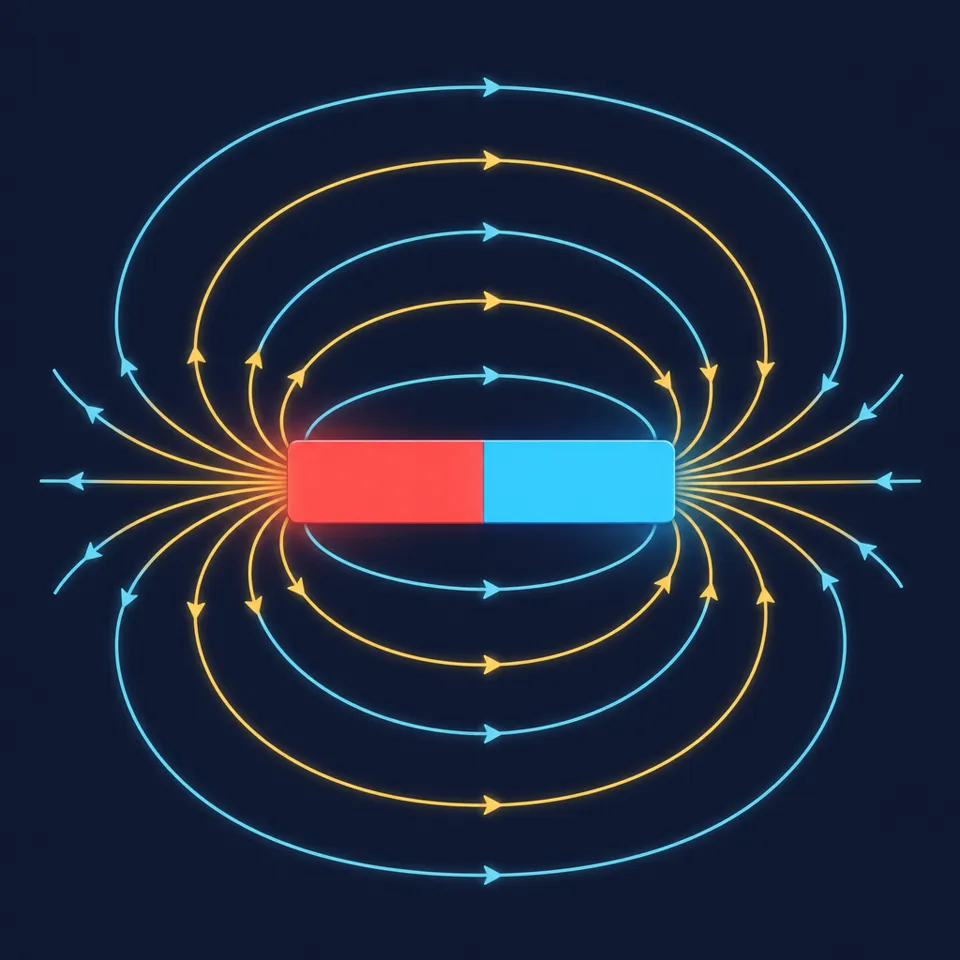
How can magnets lift a whole train so it floats above the track?
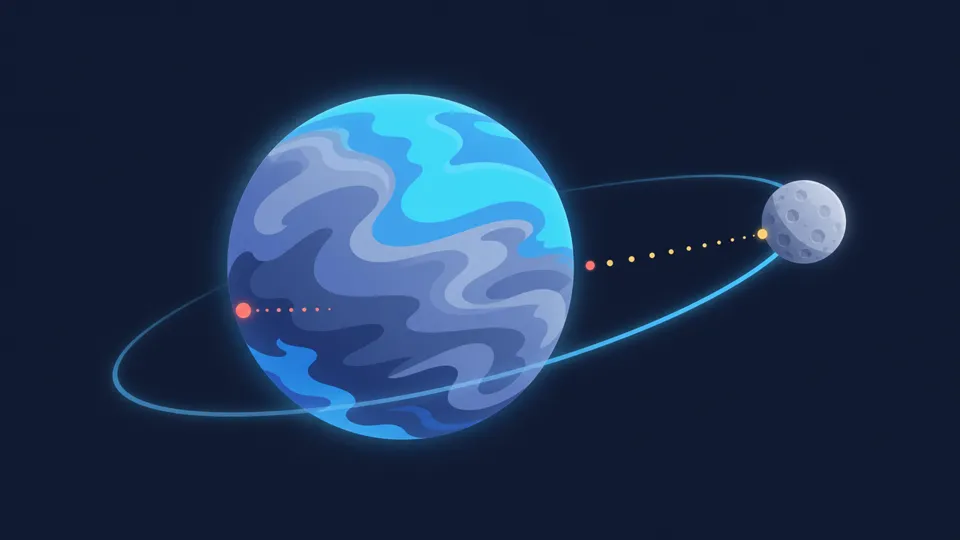
How does the Moon move Earth's oceans from 384,000 km away?
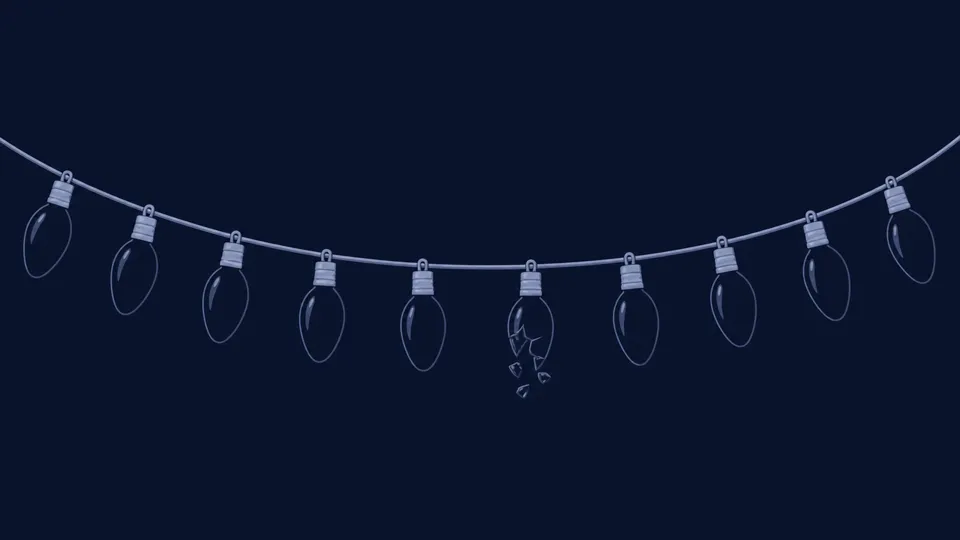
Why does one burned-out bulb make a whole string of old holiday lights go dark?
Word Wall
The 14 words you'll own by the end of this unit. Tap any card to flip it. Words you collect in the activities get a ✓.
Unit Roadmap
Four parts, in the order we'll learn them.
Part 1: Static Electricity & Charge
- Where charge comes from
- Friction, contact & induction
- Likes repel, opposites attract
- Conductors vs. insulators
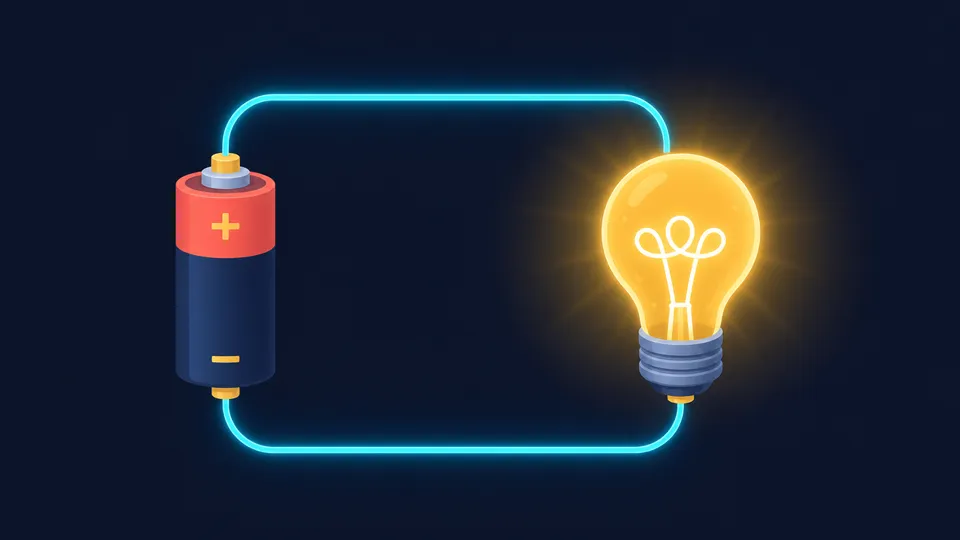
Part 2: Current Electricity & Circuits
- Current, voltage & the water-park model
- What a circuit needs
- Series vs. parallel

Part 3: Magnetism
- Poles: likes repel, opposites attract
- The magnetic field
- Earth is a magnet
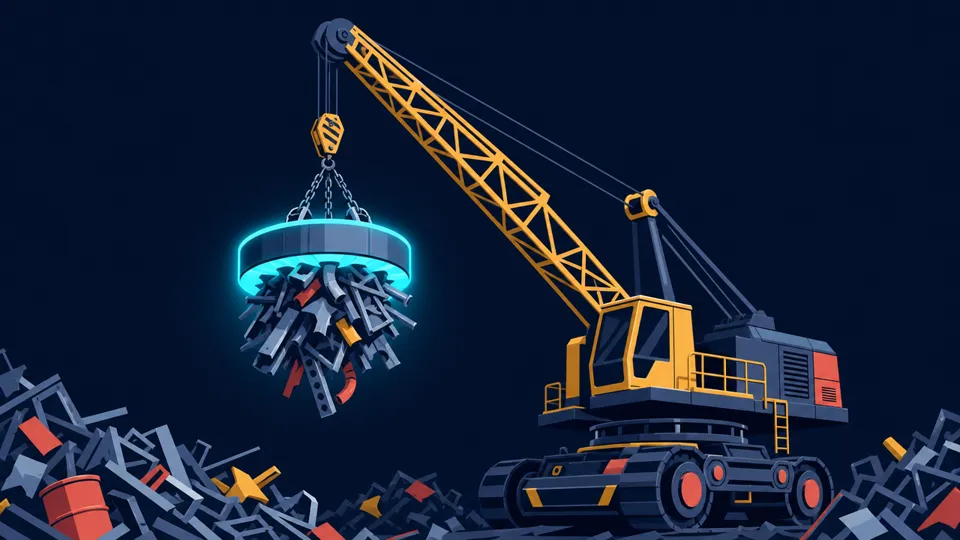
Part 4: Electromagnetism, Gravity & Fields
- What makes an electromagnet stronger
- Motors and generators
- Gravity, mass & weight
- Three fields, one idea
Learning Targets & Success Criteria
I am learning to…
- Explain how gravity, electricity and magnetism are forces that exist between objects even when they are not touching
- Describe how electric charges can exist in different locations and be distributed differently through conductors and insulators
- Identify how different factors affect the strength of electric and magnetic forces
I will be successful when I can…
- Demonstrate and use examples of how gravitational, electric and magnetic fields act on objects even when they are not touching
- Complete the investigation to show the distribution of charge in conductors and insulators
- Demonstrate how electric charges move due to conduction, induction and friction
- Identify that the distance between objects, wire turns, # of dry cells and size of iron core affect the strength of electric and magnetic forces
Standards
Obtain, evaluate, and communicate information about gravity, electricity, and magnetism as major forces acting in nature.
Construct an argument using evidence to support the claim that fields (i.e., magnetic fields, gravitational fields, and electric fields) exist between objects exerting forces on each other even when the objects are not in contact.
Plan and carry out investigations to demonstrate the distribution of charge in conductors and insulators.
Plan and carry out investigations to identify the factors (e.g., distance between objects, magnetic force produced by an electromagnet with varying number of wire turns, varying number or size of dry cells, and varying size of iron core) that affect the strength of electric and magnetic forces.
Fields
S8P5.aCircuits
S8P5.cElectromagnetism
S8P5.cKeep going
Free activities for this unit that go deeper.