 Tobin
Explore
Jump in anywhere, in any order. Every activity reshuffles each time you play, so there's always something new. You earn ballots for every right answer.
Big questions to wonder about
By the end of this unit, you'll be able to answer every one of these.
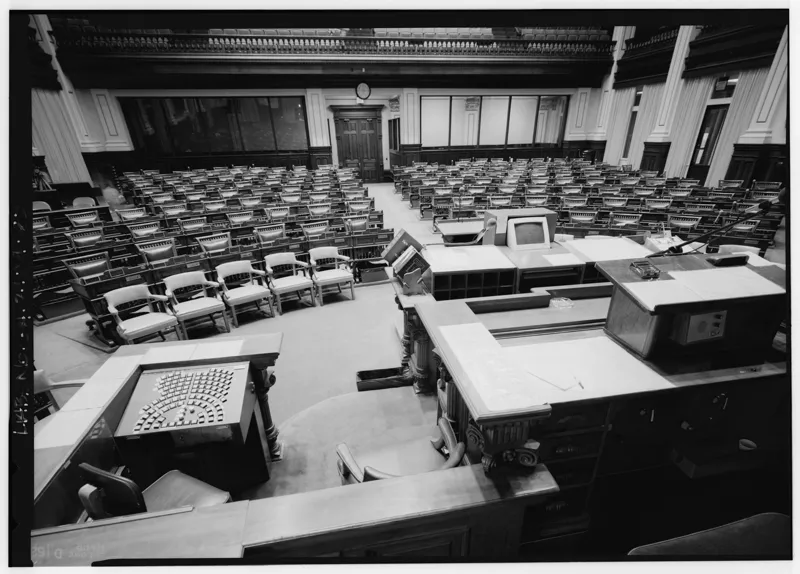
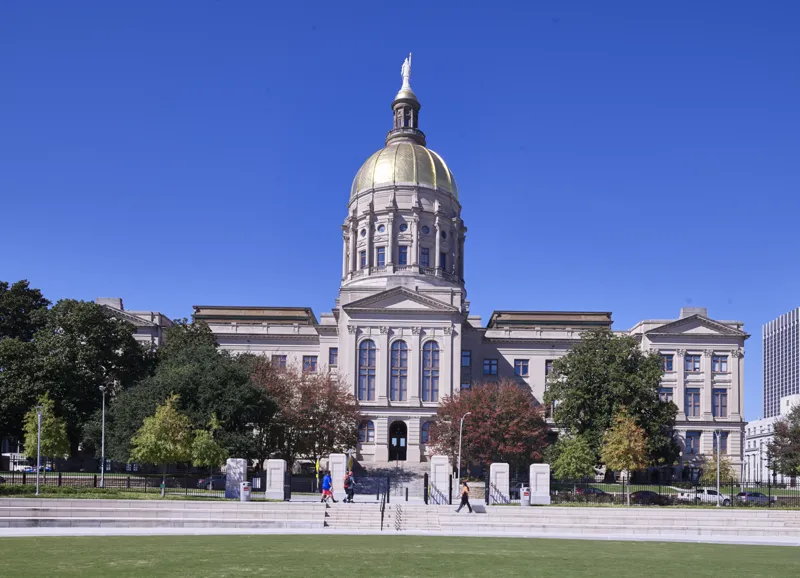
A bill needs 91 yes votes in the Georgia House, even on a day when only 150 members show up. Why?Photo: Library of Congress, HABS
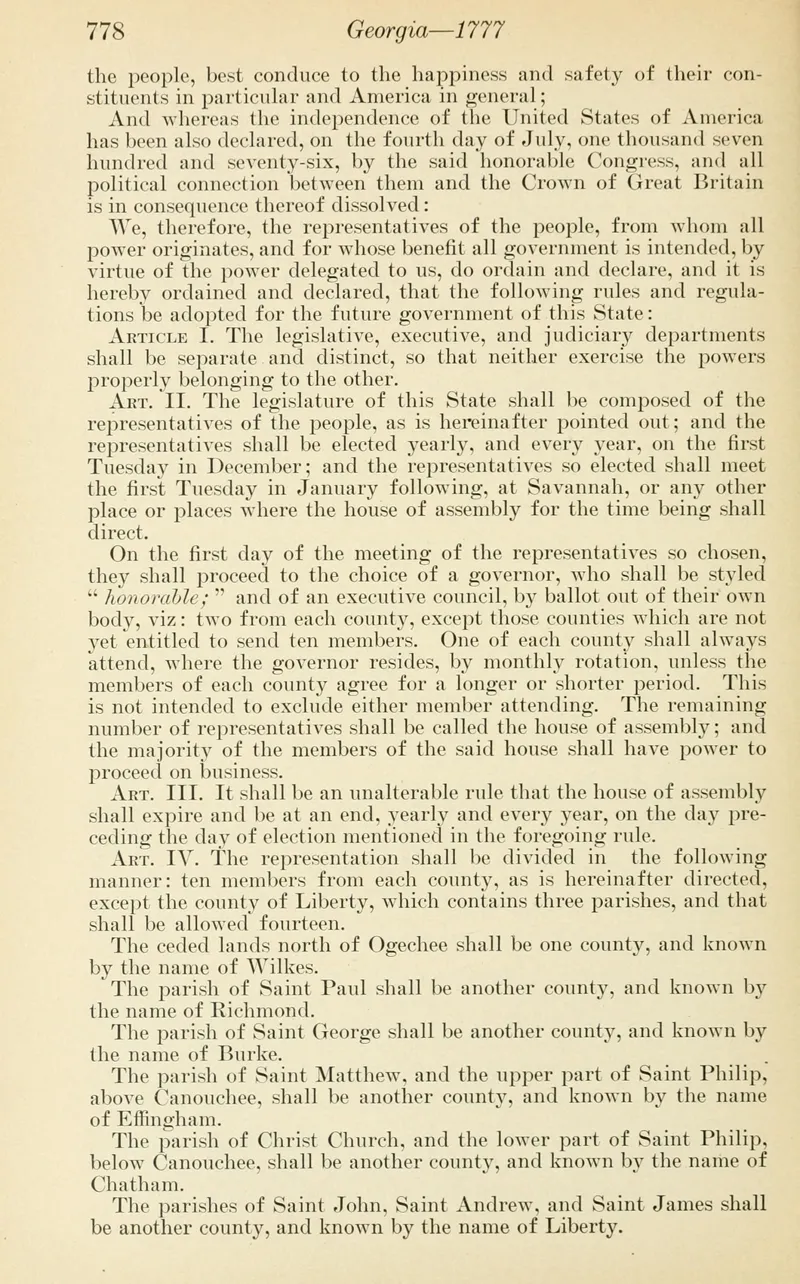
Georgia has written ten constitutions. Why would a state ever need a new one?Photo: Thorpe, Federal and State Constitutions (GPO, 1909)
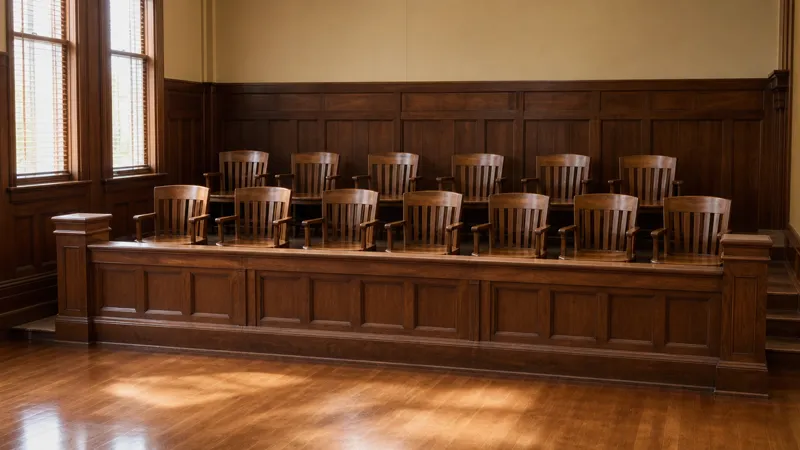
Why does a 15-year-old’s case usually go to a different court than an adult’s, with no jury at all?Illustration (AI-generated)
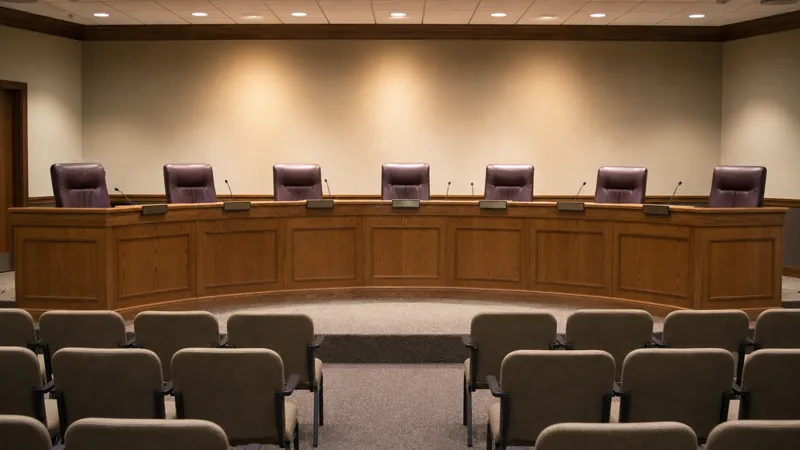
Your county, your city and your school district can all collect taxes. Who decides how much, and how?Illustration (AI-generated)
Word Wall
The 20 words you'll own by the end of this unit. Tap any card to flip it. Words you collect in the activities get a ✓.
Unit Roadmap
Five parts, in the order we'll learn them.
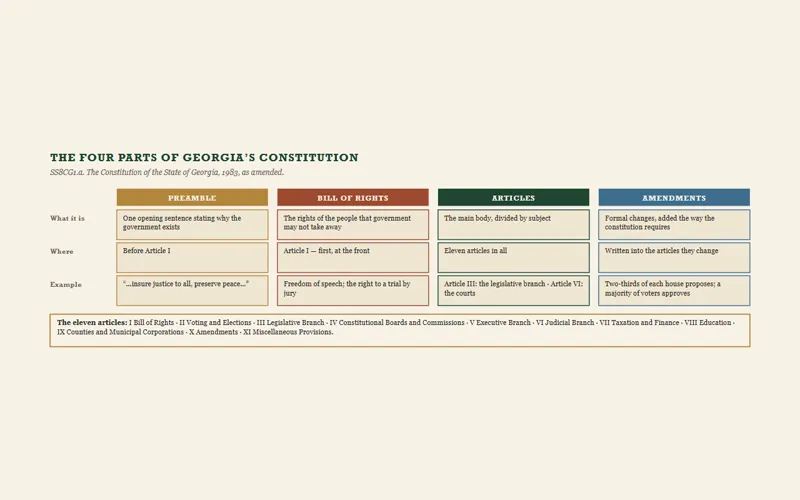
Part 1: Foundations: the Constitution and Citizens
- Preamble, bill of rights, articles, amendments
- Georgia’s constitution and the U.S. Constitution
- Separation of powers; checks and balances
- Rights, responsibilities, voting, the four principles
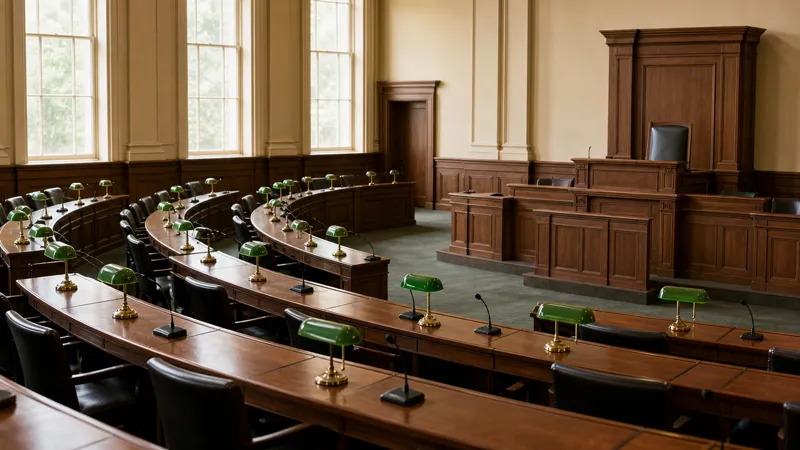 Illustration (AI-generated)
Part 2: The Legislative Branch
- The Senate and the House: who may serve
- Committees, where most bills stop
- How a bill becomes a law
- Paying for the state: the budget
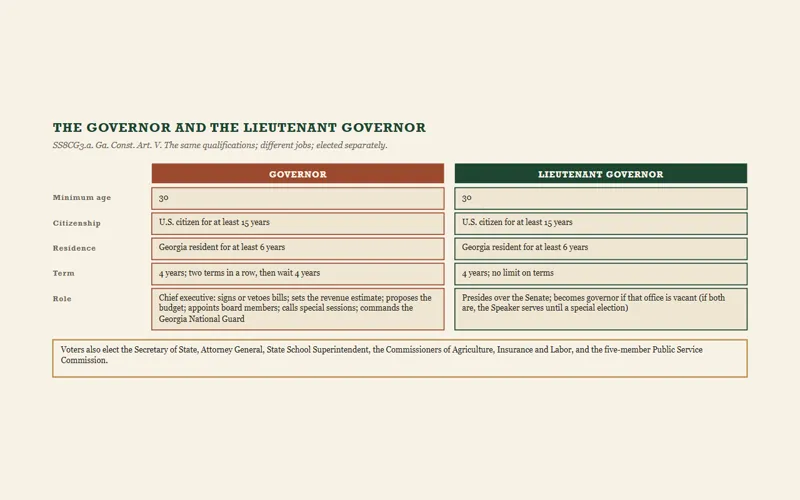
Part 3: The Executive Branch
- The governor and the lieutenant governor
- Elected executive officers
- State agencies that run programs
- State agencies that enforce laws
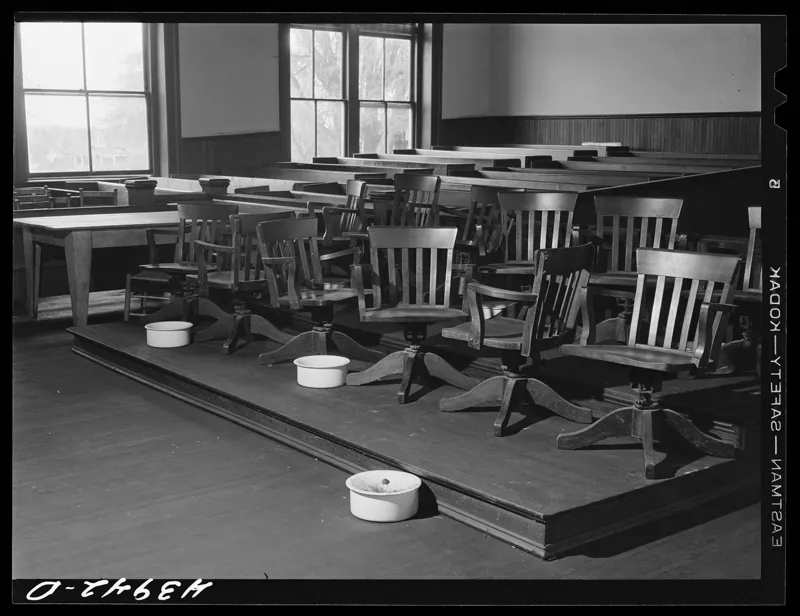 Photo: Library of Congress, FSA/OWI
Part 4: The Courts and Juvenile Justice
- How judges are chosen; two purposes
- Criminal law and civil law
- The adult process, beginning with arrest
- Delinquent and unruly; a young person’s rights and steps
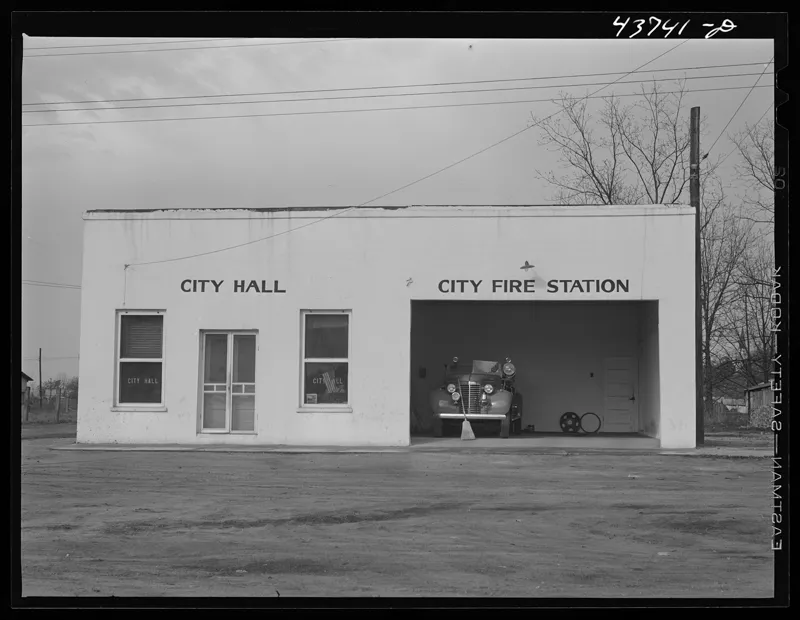 Photo: Library of Congress, FSA/OWI
Part 5: Local Government
- Counties: created by the state
- Cities: chartered by the General Assembly
- Special districts: one job each
- Property taxes, SPLOST and local budgets
Learning Targets & Success Criteria
I am learning to…
- Explain how Georgia’s constitution is built, how it changes, and how it fits under the U.S. Constitution
- Explain how the three branches share power and check one another, and what citizens owe and are owed
- Analyze how the General Assembly makes laws and how the state raises and spends its money
- Analyze the roles of the governor, the state agencies and the courts, adult and juvenile
- Analyze how counties, cities and special districts are created, paid for and run
I will be successful when I can…
- Name the four parts of the constitution and explain the two steps of an amendment
- Give one check each branch holds on another, and list the four voting qualifications and the four principles of the pledge
- State the qualifications for the General Assembly, the governor and the lieutenant governor
- Trace a bill from filing to law and name the points where it can stop
- Describe how the state budget is funded, balanced and passed
- Compare criminal and civil law, and order the steps of the adult and the juvenile justice processes
- Explain the difference between delinquent and unruly behavior and the rights a young person keeps
- Match local services to the county, city or special district that provides them, and explain who decides local taxes
Standards
Describe the foundations of Georgia’s government (SS8CG1); analyze the legislative (SS8CG2), executive (SS8CG3) and judicial (SS8CG4) branches; explain how the Georgia court system treats juvenile offenders (SS8CG5); and analyze the role of local governments (SS8CG6).
Explain the basic structure of the Georgia state constitution (preamble, bill of rights, articles, and amendments) as well as its relationship to the United States Constitution.
Explain separation of powers and checks and balances among Georgia's three branches of government.
Describe the rights and responsibilities of citizens according to the Georgia Constitution.
List voting qualifications for elections in Georgia.
Identify wisdom, justice, moderation, and courage as the four principles in the Pledge of Allegiance to the Georgia Flag.
Explain the qualifications for members of the General Assembly and its role as the law-making body of Georgia.
Describe the purpose of the committee system within the Georgia General Assembly.
Explain the process for making a law in Georgia.
Describe how state government is funded and how spending decisions are made.
Explain the qualifications for the governor and lieutenant governor and their role in the executive branch of state government.
Describe how the executive branch fulfills its role through state agencies that administer programs and enforce laws.
Describe the ways that judges are selected in Georgia.
Analyze the dual purpose of the judicial branch: to interpret the laws of Georgia and administer justice in our legal system.
Explain the difference between criminal law and civil law.
Explain the steps in the adult criminal justice system beginning with arrest.
Explain the difference between delinquent and unruly behavior and the consequences of each.
Describe the rights of juveniles involved in the juvenile justice system.
Explain the steps in the juvenile justice system when a juvenile is first taken into custody.
Explain the origins and purposes, of city, county, and special-purpose governments in Georgia.
Describe how local government is funded and how spending decisions are made.
Keep going
Free tools for Georgia Government that go deeper.

Maps, diagrams and globes on this page were drawn for this course from real coordinates (coastlines: Natural Earth, public domain). Pictures marked “Illustration (AI-generated)” were generated from written descriptions. They show places, not any real person, and are not photographs of a real location. Photographs are public domain and credited on the picture.