 Tobin
TobinExplore
Jump in anywhere, in any order. Every activity reshuffles each time you play, so there's always something new. You earn amu for every right answer.
Big questions to wonder about
By the end of this unit, you'll be able to answer every one of these.
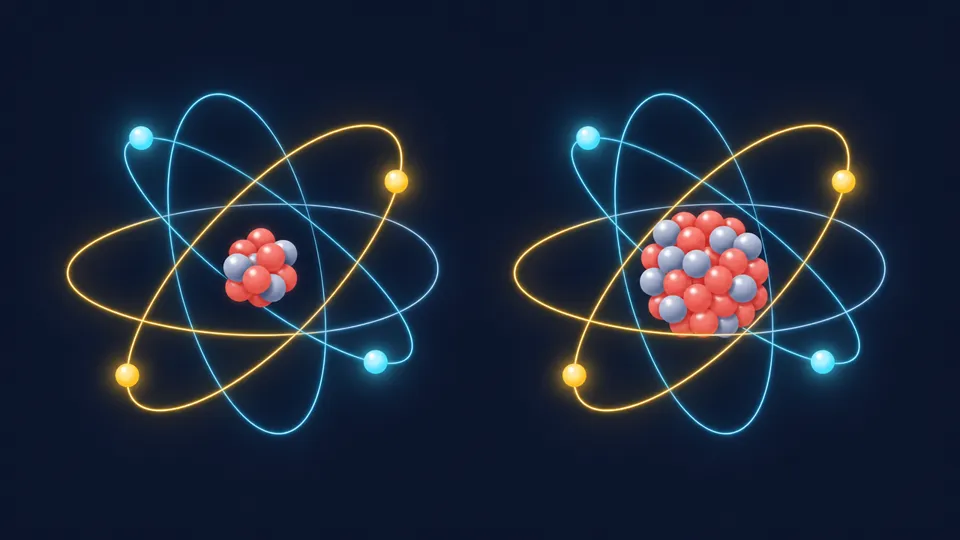
If two atoms are both pure carbon, what could possibly make one heavier than the other?
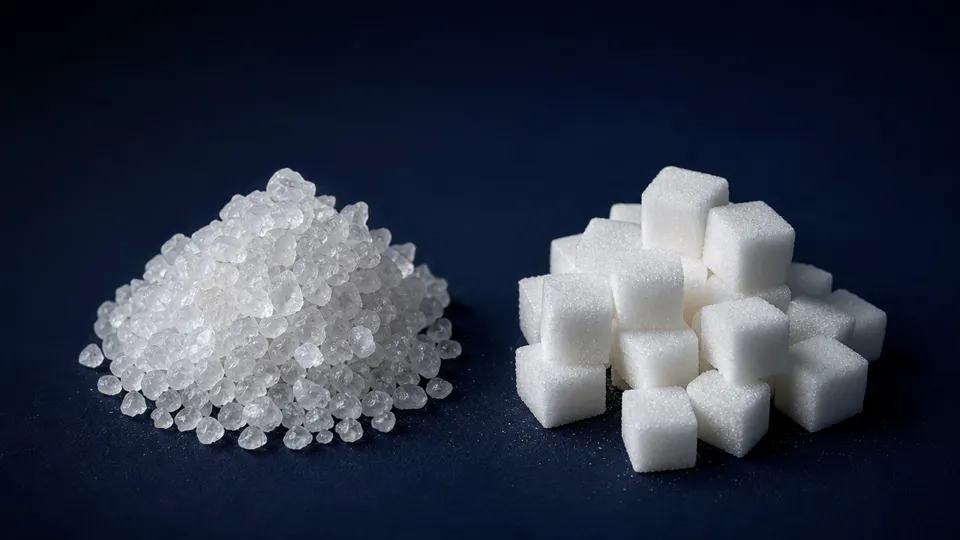
Sodium explodes in water and chlorine is a toxic gas. So why is table salt safe to eat?
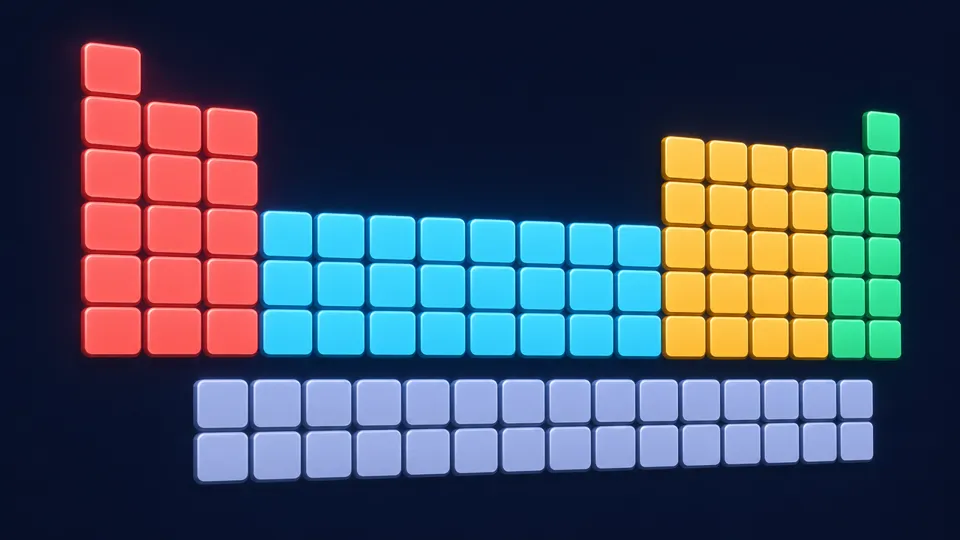
Scientists left gaps in the periodic table for elements nobody had found yet. How could a chart predict the future?
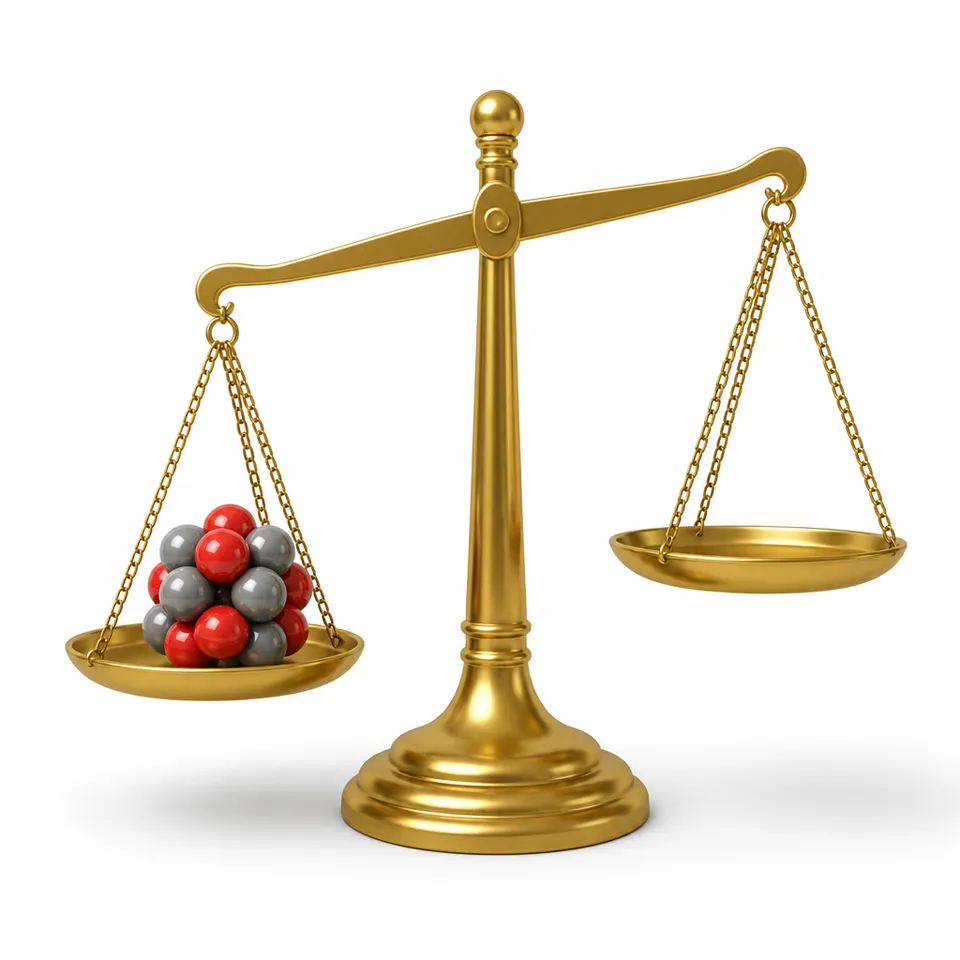
Why is the atomic mass on the periodic table almost never a whole number?
Word Wall
The 12 words you'll own by the end of this unit. Tap any card to flip it. Words you collect in the activities get a ✓.
Unit Roadmap
Four parts, in the order we'll learn them.
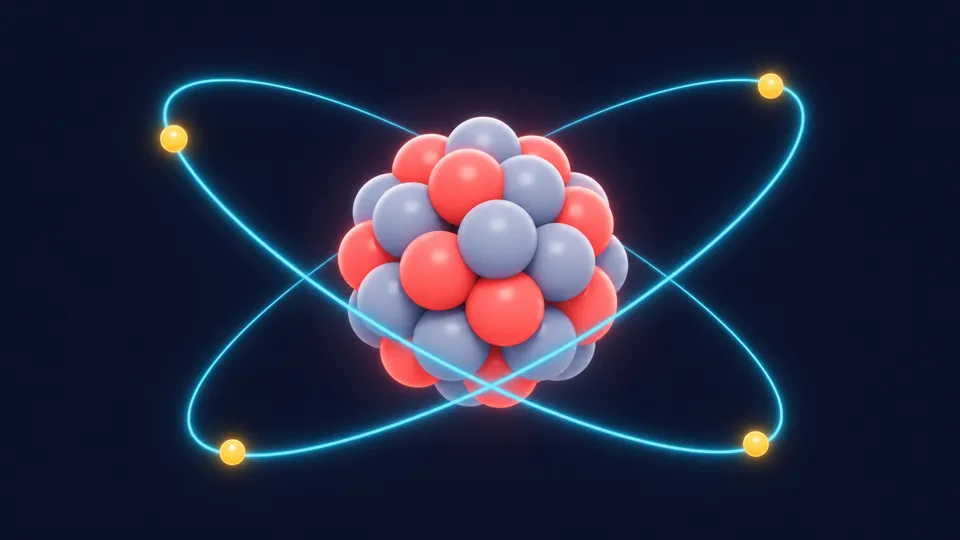
Part 1: Atomic Structure & Average Atomic Mass
- The three subatomic particles
- Atomic number & mass number
- Why the atomic mass is a decimal
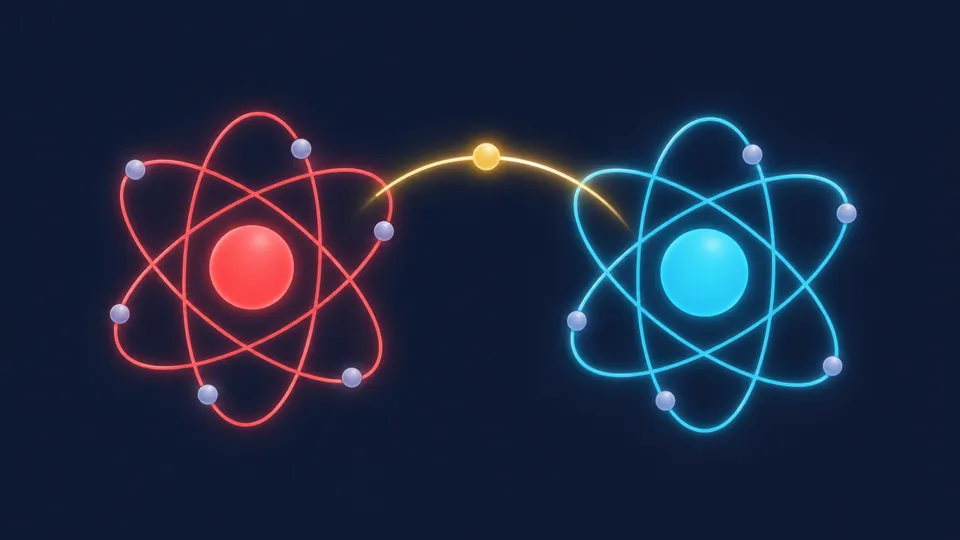
Part 2: Isotopes & Ions
- Isotopes: same element, different mass
- Ions: gaining & losing electrons
- Predicting ion charges from the group
Part 3: Organization of the Periodic Table
- Periods & groups
- The famous families
- Metals, nonmetals & metalloids
- Phases at room temperature
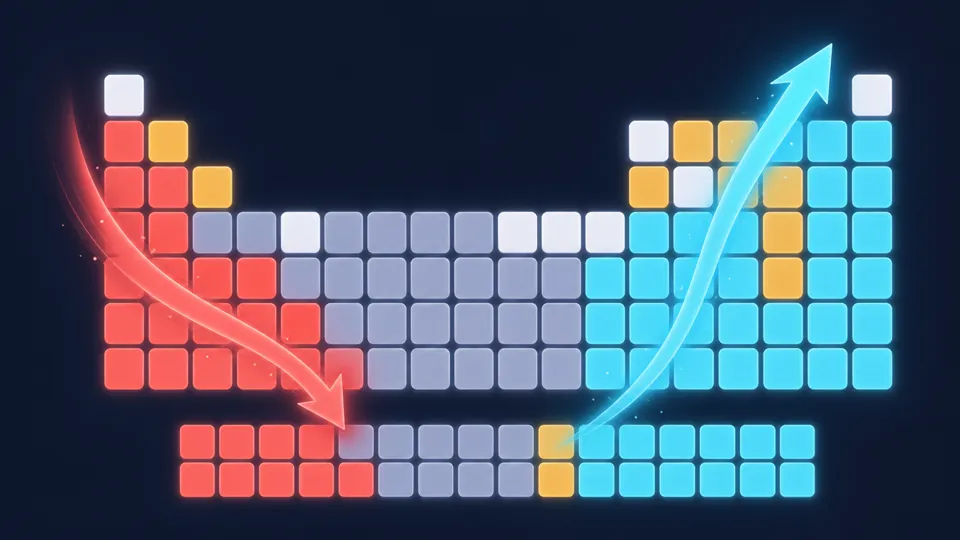
Part 4: Trends & the Prediction Machine
- Valence electrons
- Reactivity trends
- Predicting an unknown element
Learning Targets & Success Criteria
I am learning to…
- Compare and contrast the structure of atoms, ions, and isotopes
- Analyze periodic trends: valence electrons, ion charges, metals vs. nonmetals, and phases at room temperature
- Use the periodic table as a model to predict how main group elements behave
I will be successful when I can…
- Count the protons, neutrons, and electrons for any atom, ion, or isotope from its symbol
- Explain why the atomic mass on the table is a decimal and calculate it from isotope data
- Predict the ion an element forms (+1, +2, +3, −3, −2, −1) from its group
- Classify elements as metals, nonmetals, or metalloids and as solid, liquid, or gas at room temperature
- Use the periodic table to predict the behavior of an unfamiliar element
Standards
Obtain, evaluate, and communicate information from the Periodic Table to explain the relative properties of elements based on patterns of atomic structure.
Develop and use models to compare and contrast the structure of atoms, ions and isotopes.
Analyze and interpret data to determine trends of the following: number of valence electrons; types of ions formed by main group elements; location and properties of metals, nonmetals, and metalloids; phases at room temperature.
Use the Periodic Table as a model to predict the above properties of main group elements.
The Atom
SPS1.aThe Periodic Table
SPS1.b · SPS1.cKeep going
Free activities for this unit that go deeper.