 Tobin
TobinExplore
Jump in anywhere, in any order. Every activity reshuffles each time you play, so there's always something new. You earn electrons for every right answer.
Big questions to wonder about
By the end of this unit, you'll be able to answer every one of these.
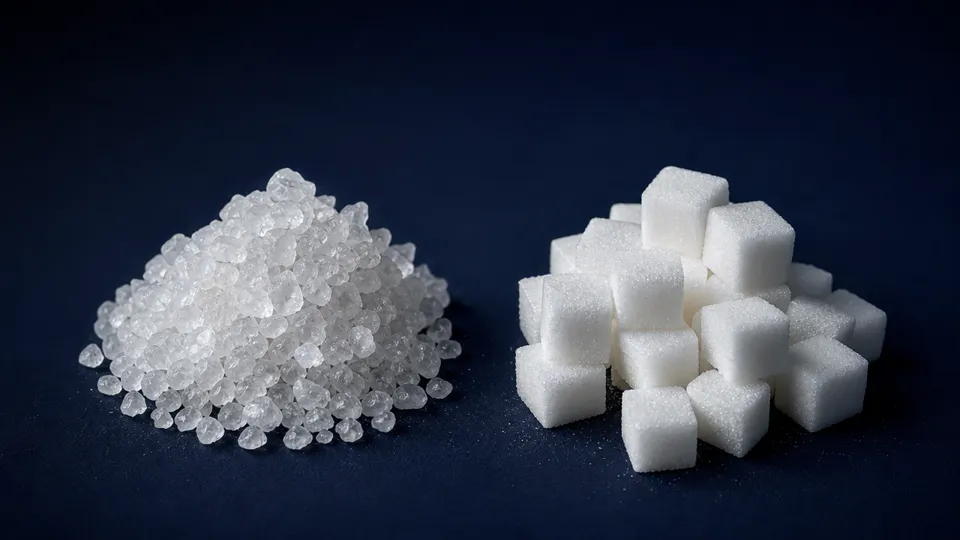
Why does salt need four times more heat to melt than sugar?
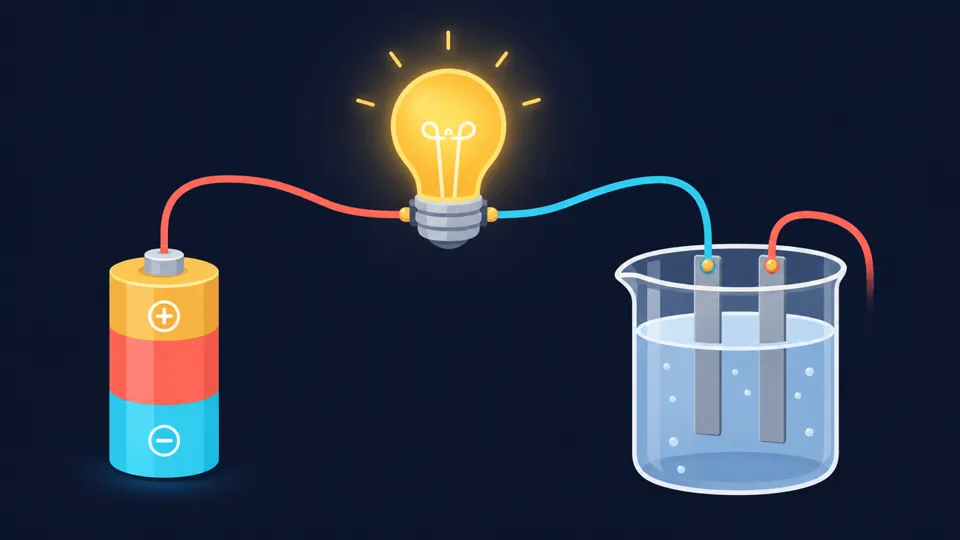
What must be swimming around in salt water that isn't in sugar water, to light a bulb?
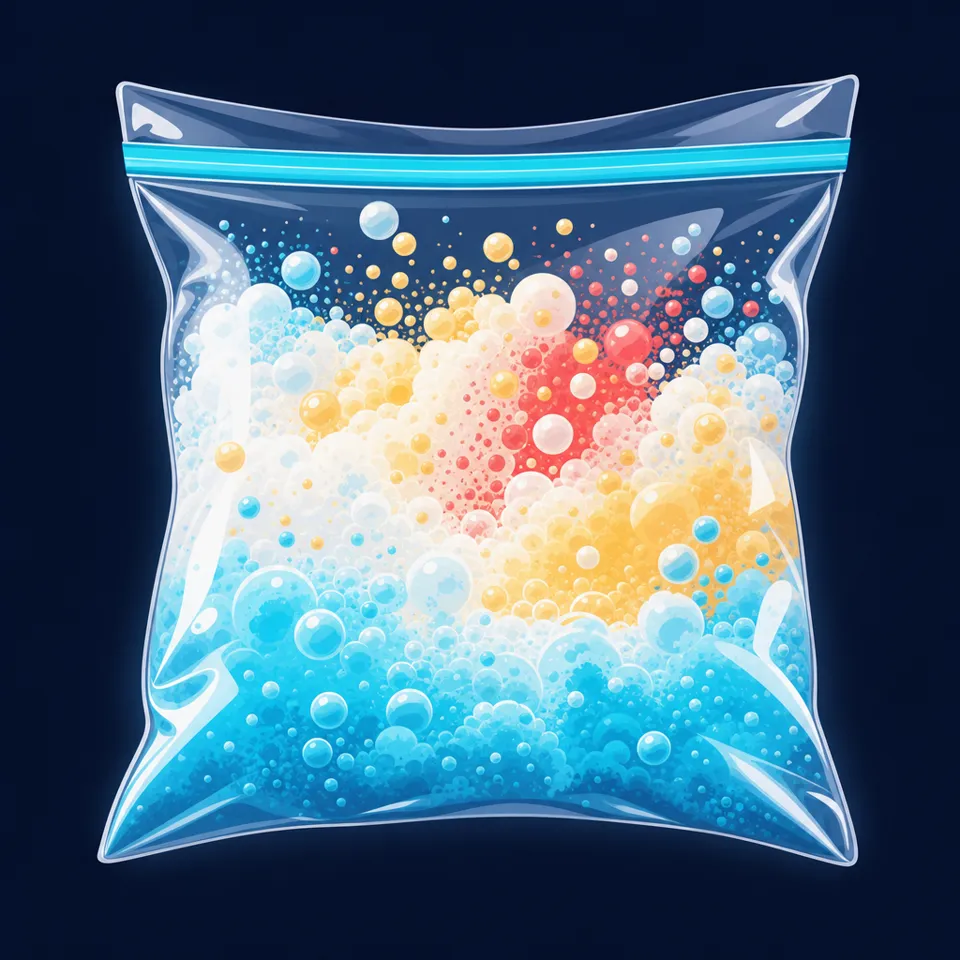
A sealed bag fizzes and inflates like a balloon — but its mass doesn't change by a single gram. How?
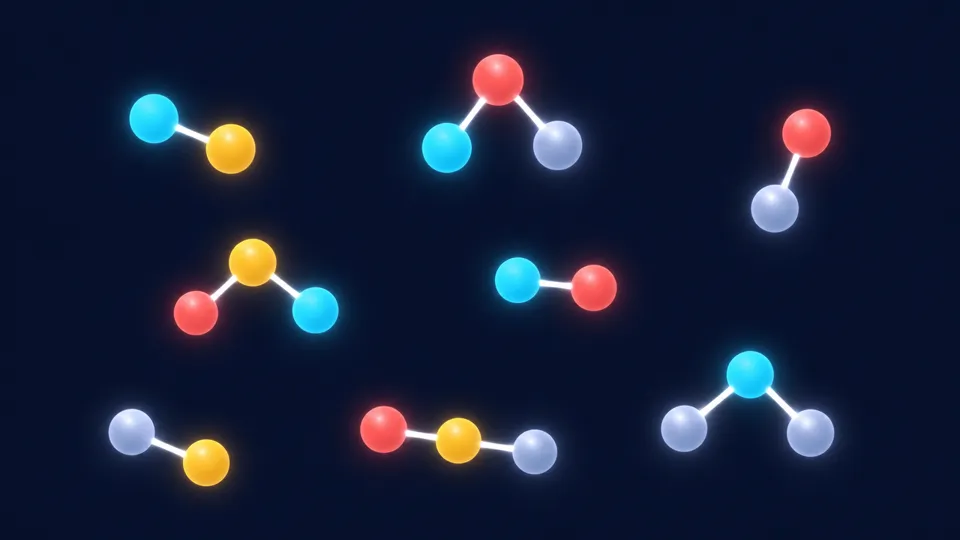
CO and CO₂ differ by just one oxygen atom. Why is one of them so dangerous?
Word Wall
The 15 words you'll own by the end of this unit. Tap any card to flip it. Words you collect in the activities get a ✓.
Unit Roadmap
Six parts, in the order we'll learn them.
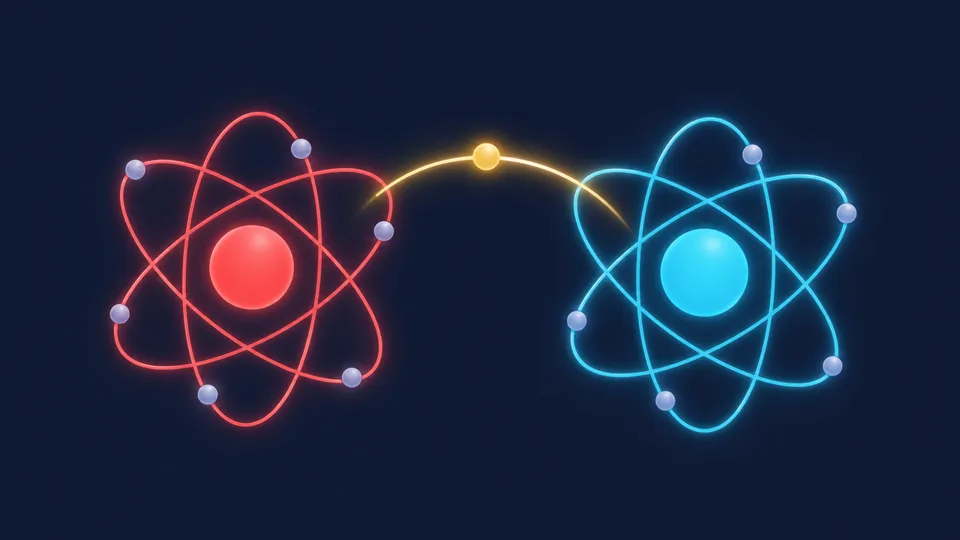
Part 1: Why Atoms Bond: Ionic vs. Covalent
- Valence electrons & the octet rule
- Transfer vs. sharing
- Predicting ion charges
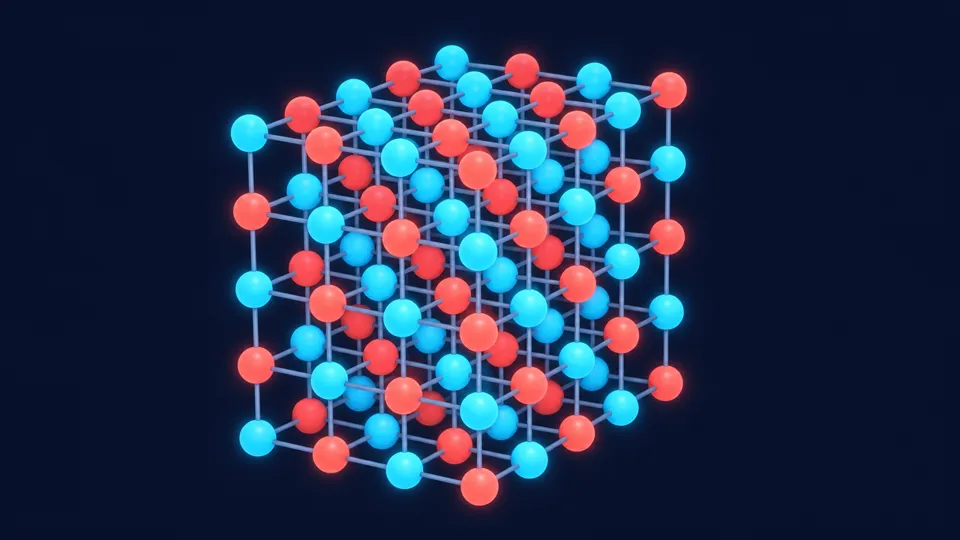
Part 2: Ionic Formulas & Names
- Criss-cross & reduce
- Metal + nonmetal-ide
- Roman numerals for transition metals
Part 3: Naming Covalent Compounds
- The prefixes mono- to deca-
- Name → formula
- The decision chart
Part 4: Properties: Reading the Data
- Melting points
- Conductivity in solution
- Structure explains behavior
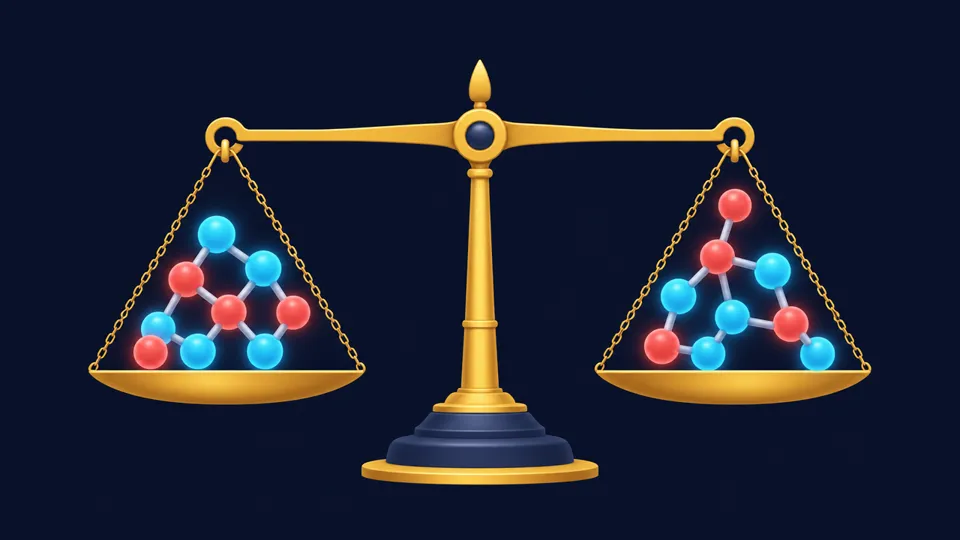
Part 5: Equations & Conservation of Mass
- Reactants, products, coefficients
- Closed vs. open systems
- Balancing equations
Part 6: Five Types of Reactions
- Synthesis & decomposition
- Single & double replacement
- Combustion
Learning Targets & Success Criteria
I am learning to…
- Explain how ionic bonds (transfer) and covalent bonds (sharing) form, and use data to predict their properties
- Write formulas and names for binary ionic and covalent compounds using IUPAC rules
- Use balanced chemical equations to show that mass is conserved in a chemical reaction
I will be successful when I can…
- Explain how ionic bonds (transfer) and covalent bonds (sharing) form
- Build any binary ionic formula with the criss-cross method — and reduce it
- Translate names ↔ formulas both ways: ionic (-ide, Roman numerals) and covalent (prefixes)
- Use melting point and conductivity data to prove a compound is ionic or covalent
- Balance a chemical equation using only coefficients
- Explain why a sealed bag keeps its mass and identify five reaction types on sight
Standards
SPS2: Obtain, evaluate, and communicate information to explain how atoms bond to form stable compounds. SPS3: Obtain, evaluate, and communicate information to support the Law of Conservation of Matter.
Analyze and interpret data to predict properties of ionic and covalent compounds.
Develop and use models to predict formulas for stable, binary ionic compounds based on balance of charges.
Use the International Union of Pure and Applied Chemistry (IUPAC) nomenclature for translating between chemical names and chemical formulas.
Plan and carry out investigations to generate evidence supporting the claim that mass is conserved during a chemical reaction.
Develop and use a model of a chemical equation to illustrate how the total number of atoms is conserved during a chemical reaction.
Ionic vs. Covalent Bonds
SPS2.aWriting Ionic Formulas
SPS2.bChemical Nomenclature
SPS2.cBalancing Chemical Equations
SPS3.bTypes of Chemical Reactions
SPS3.bKeep going
Free activities for this unit that go deeper.