 Tobin
TobinExplore
Jump in anywhere, in any order. Every activity reshuffles each time you play, so there's always something new. You earn volts for every right answer.
Big questions to wonder about
By the end of this unit, you'll be able to answer every one of these.
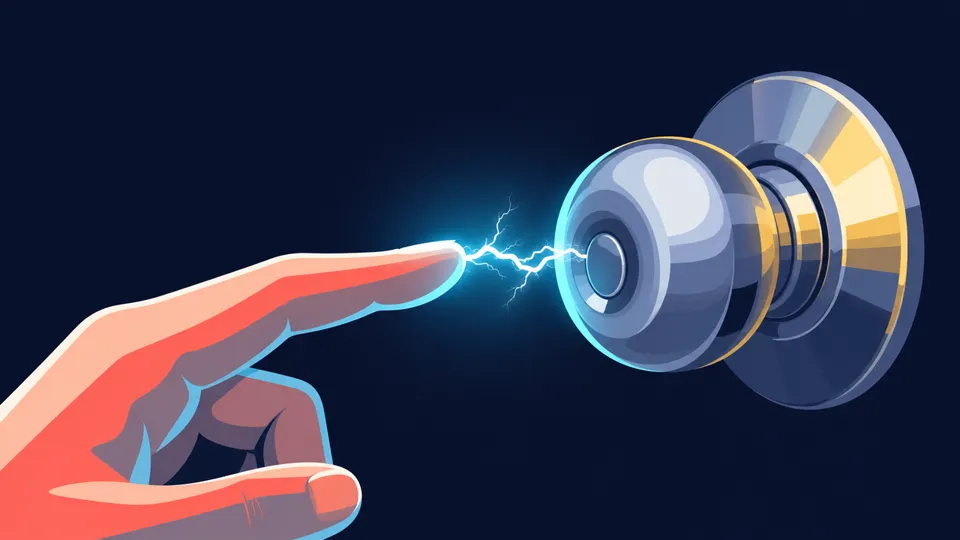
Why does a few-thousand-volt spark barely hurt, while a 120 V outlet can run a TV all day?
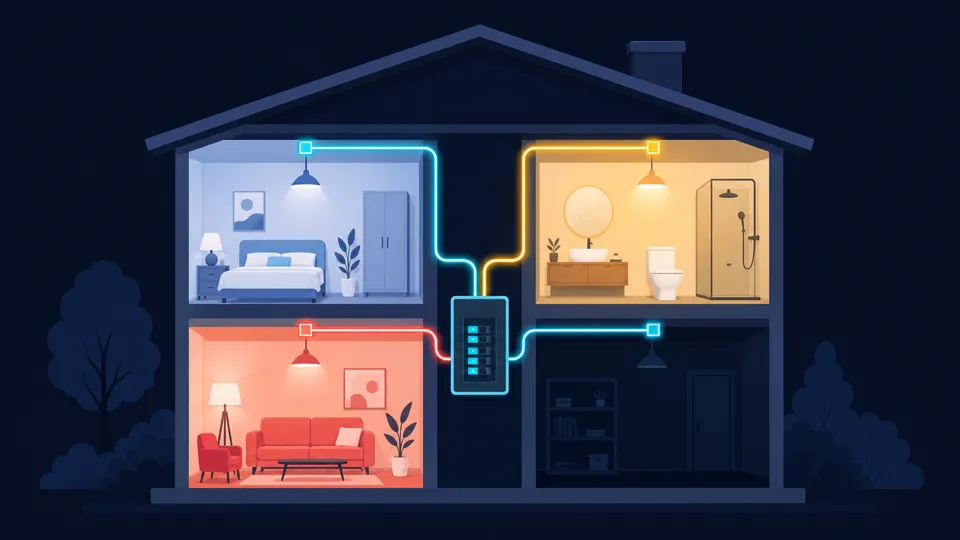
When one bulb burns out, why do some light strings go dark while your house lights stay on?
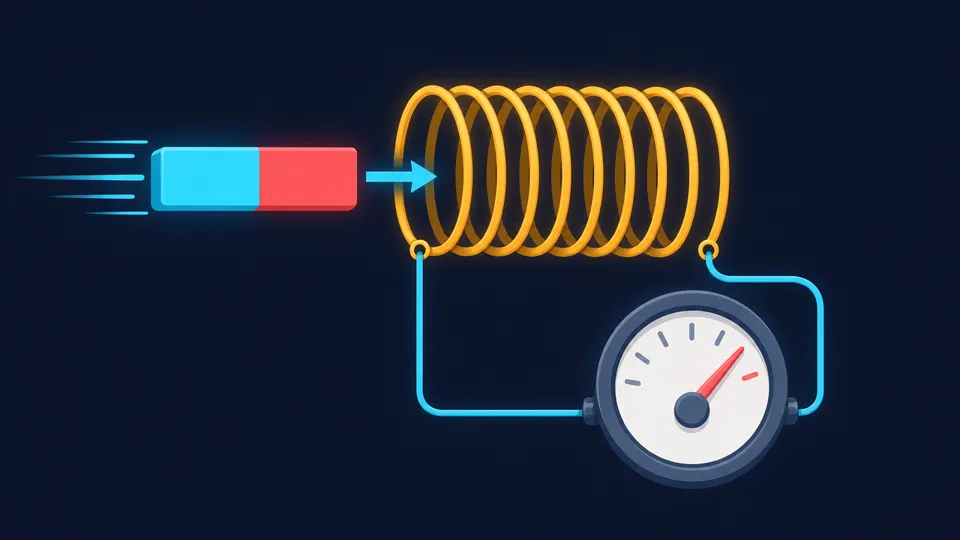
How can a spinning magnet near a coil of wire power an entire city?

Why can a junkyard crane drop a whole car just by flipping a switch?
Word Wall
The 14 words you'll own by the end of this unit. Tap any card to flip it. Words you collect in the activities get a ✓.
Unit Roadmap
Four parts, in the order we'll learn them.

Part 1: Static Electricity & Charge
- Where charge comes from
- The law of charges
- Friction, conduction, induction
- Conductors, insulators & grounding
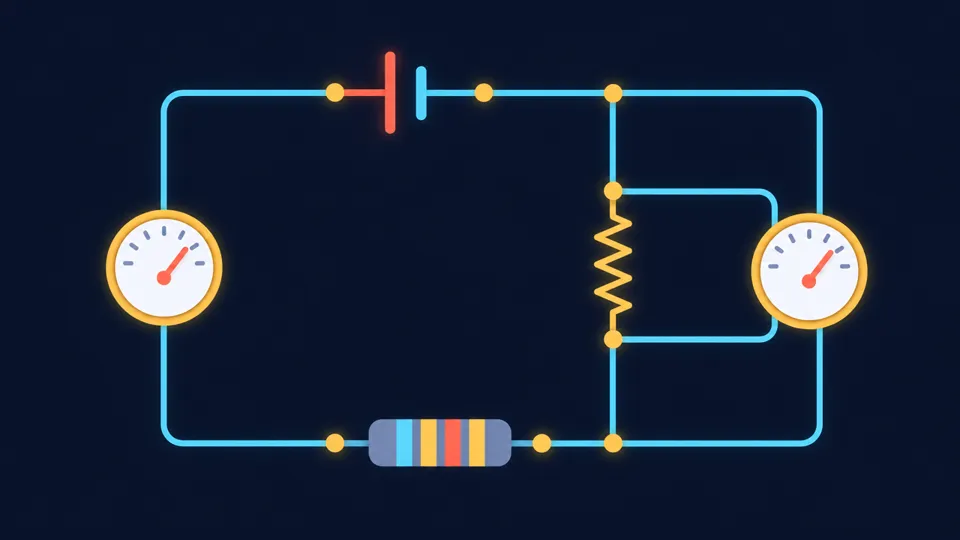
Part 2: Current, Voltage, Resistance & Ohm's Law
- What every circuit needs
- V, I, and R
- What changes resistance
- V = I × R
Part 3: Series & Parallel Circuits
- Circuit symbols
- Conventional current vs. electron flow
- Series vs. parallel
- DC vs. AC
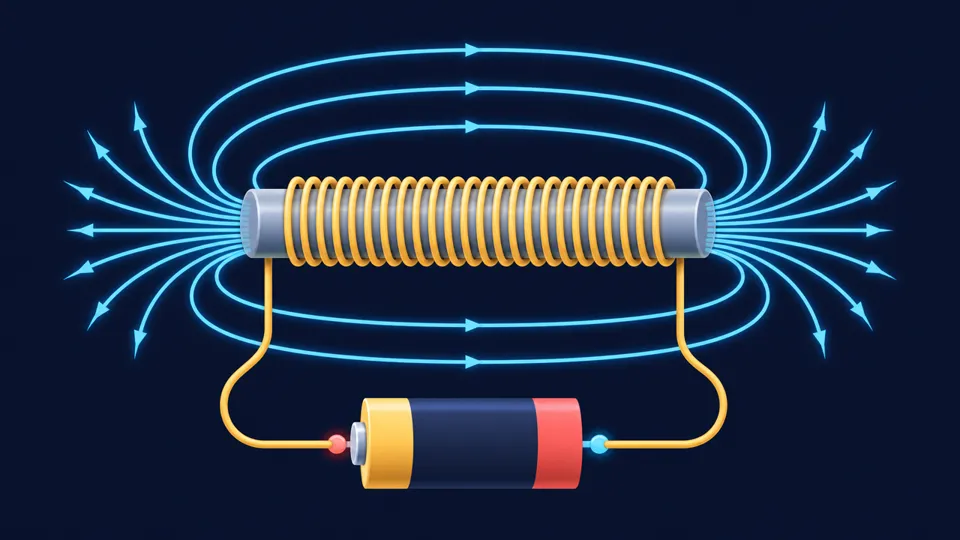
Part 4: Magnetism & Electromagnetism
- Magnets & fields
- Oersted's discovery
- Electromagnets
- Induction, motors & generators
Learning Targets & Success Criteria
I am learning to…
- Explain the properties of electricity and magnetism
- Explain the relationships between electricity and magnetism
I will be successful when I can…
- Calculate Ohm's Law
- Identify the flow of electrons in simple series and parallel circuits, including direct and alternating currents
- Convey the advantages and disadvantages of series and parallel circuits
- Explain how an electrical charge would move through a magnetic field
- Build or illustrate electromagnets, simple motors and generators
- Explain how the strength of a magnetic field changes with the amount of current in an electromagnet
Standards
Obtain, evaluate, and communicate information to explain the properties of and relationships between electricity and magnetism.
Use mathematical and computational thinking to support a claim regarding relationships among voltage, current, and resistance.
Develop and use models to illustrate and explain the conventional flow (direct and alternating) of current and the flow of electrons in simple series and parallel circuits.
Plan and carry out investigations to determine the relationship between magnetism and the movement of electrical charge.