 Tobin
TobinExplore
Jump in anywhere, in any order. Every activity reshuffles each time you play, so there's always something new. You earn joules for every right answer.
Big questions to wonder about
By the end of this unit, you'll be able to answer every one of these.
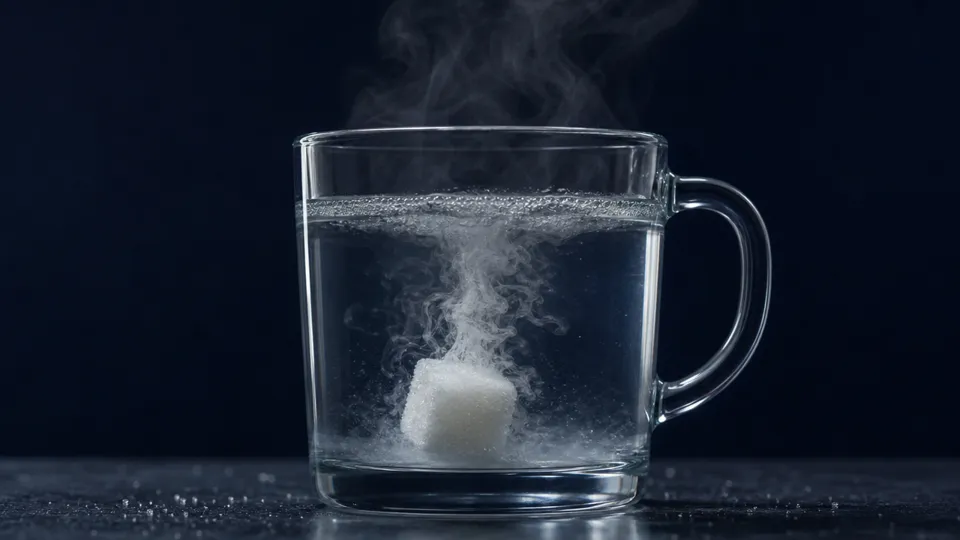
Why is the sand scorching while the ocean right next to it stays cool?
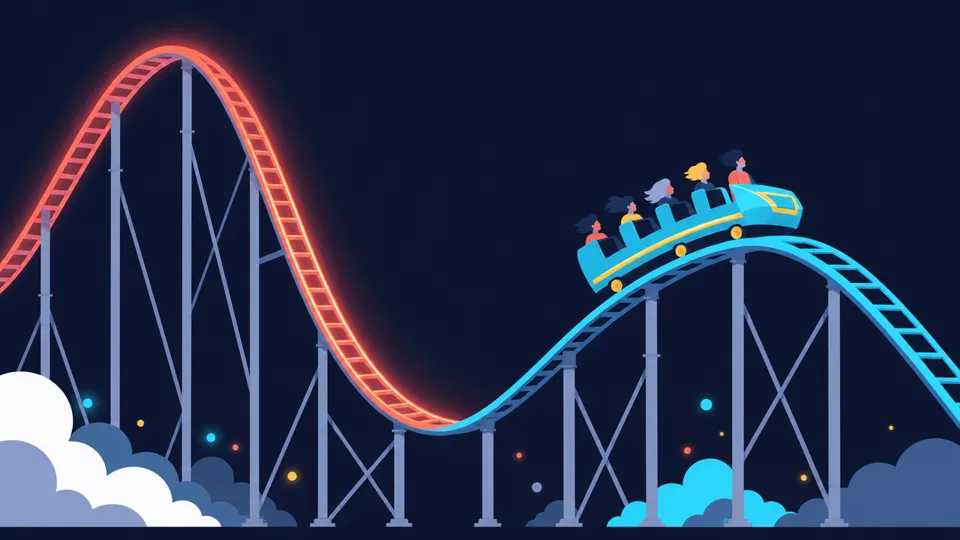
If energy can't be destroyed, where does a roller coaster's energy go when it finally stops?
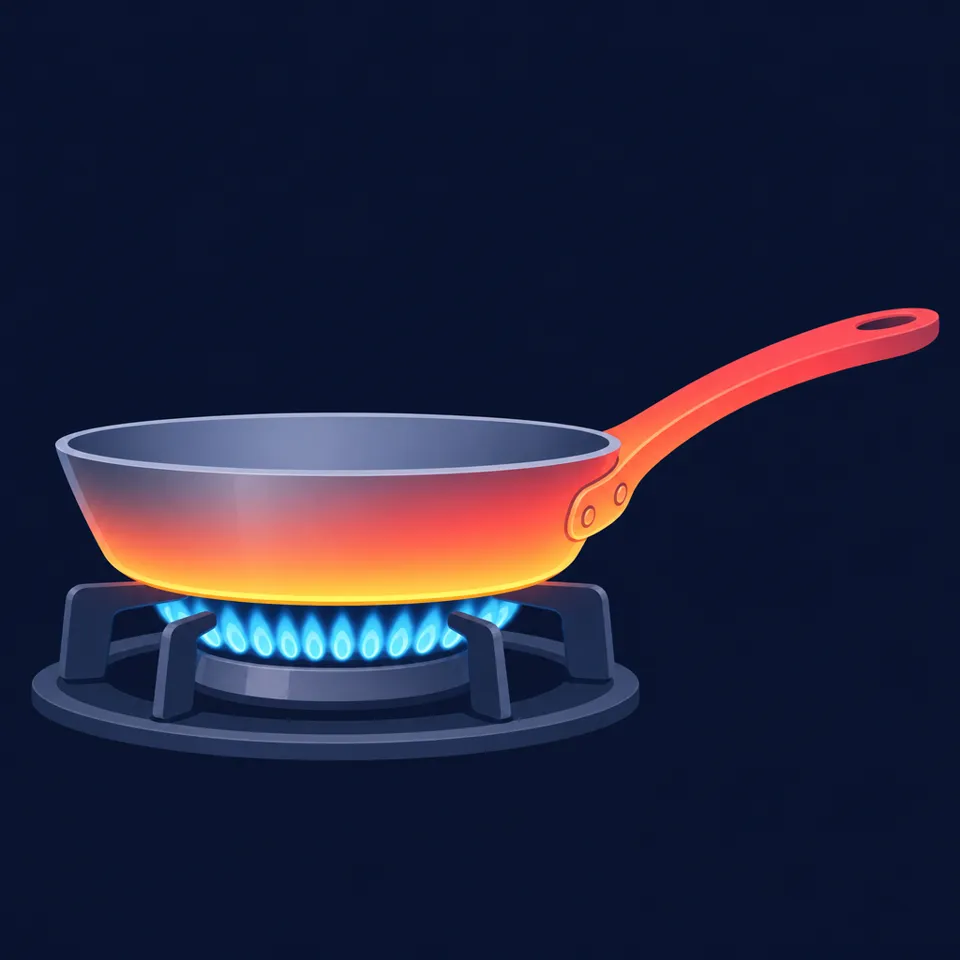
Why does a metal desk leg feel colder than the wooden desktop, even though they're the same temperature?
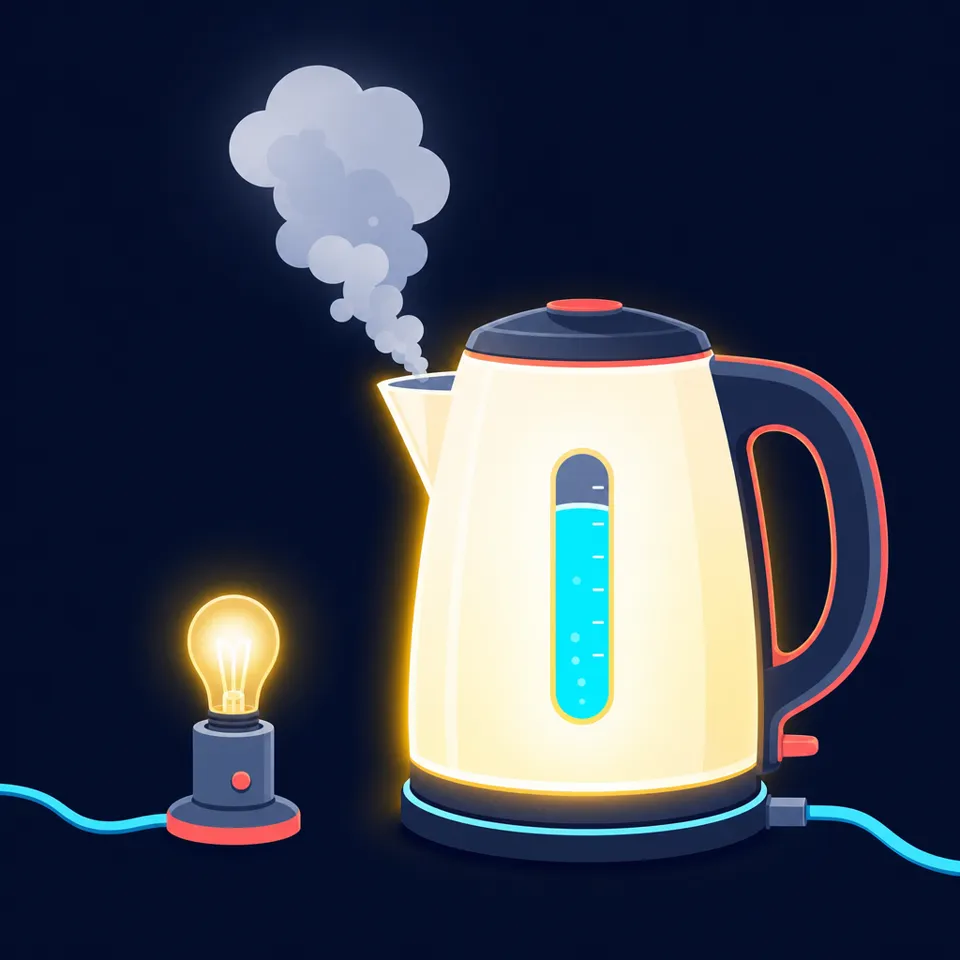
Why does boiling water stay stuck at 100 °C even though the burner is still on?
Word Wall
The 14 words you'll own by the end of this unit. Tap any card to flip it. Words you collect in the activities get a ✓.
Unit Roadmap
Four parts, in the order we'll learn them.
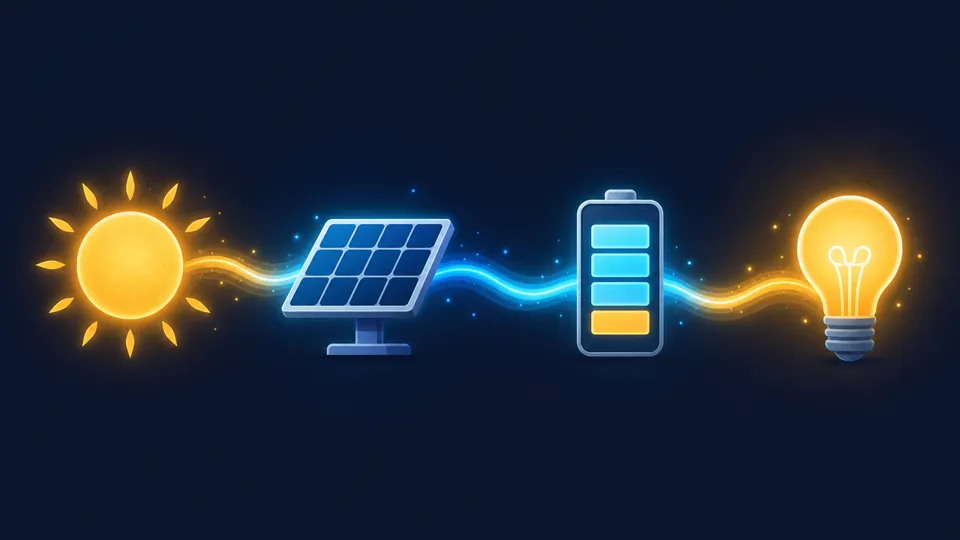
Part 1: Forms of Energy & Energy Transformations
- What energy is
- Forms of energy
- KE = ½mv² and PE = mgh
- Transformations & conservation
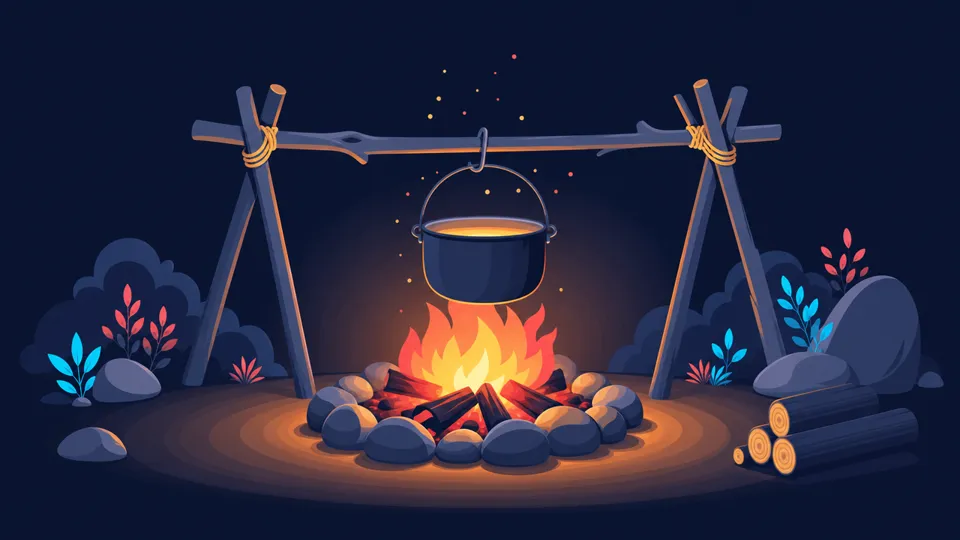
Part 2: Heat Transfer & Molecular Motion
- Temperature vs. thermal energy vs. heat
- Conduction, convection, radiation
- Conductors & insulators
Part 3: Specific Heat & q = mcΔT
- What specific heat means
- Choosing materials
- The q = mcΔT equation

Part 4: Heating Curves & Phase-Change Energy
- Reading the curve
- Where the energy goes on a plateau
- Cooling curves
Learning Targets & Success Criteria
I am learning to…
- Classify types of energy
- Identify the flow of energy within a system
- Explain how energy transfers from one type to another within a system
- Show that energy is conserved in energy transformations
I will be successful when I can…
- Categorize types of energy based on their presentation and characteristics
- Compare and contrast between open and closed system
- Trace the flow of energy within a system, identifying the types of energy represented along the way
- Give examples showing how energy can change forms in a system
- Identify how energy transfers through radiation, convection, and conduction
- Use data to explain energy transformations occurring in a closed system
- Account for energy in transformations to show that energy is neither lost nor gained
Standards
Obtain, evaluate, and communicate information to explain transformations and flow of energy within a system.
Construct explanations for energy transformations within a system.
Plan and carry out investigations to describe how molecular motion relates to thermal energy changes in terms of conduction, convection, and radiation.
Analyze and interpret specific heat data to justify the selection of a material for a practical application (e.g., insulators and cooking vessels).
Analyze and interpret data to explain the flow of energy during phase changes using heating/cooling curves.