 Tobin
TobinExplore
Jump in anywhere, in any order. Every activity reshuffles each time you play, so there's always something new. You earn grams per liter for every right answer.
Big questions to wonder about
By the end of this unit, you'll be able to answer every one of these.
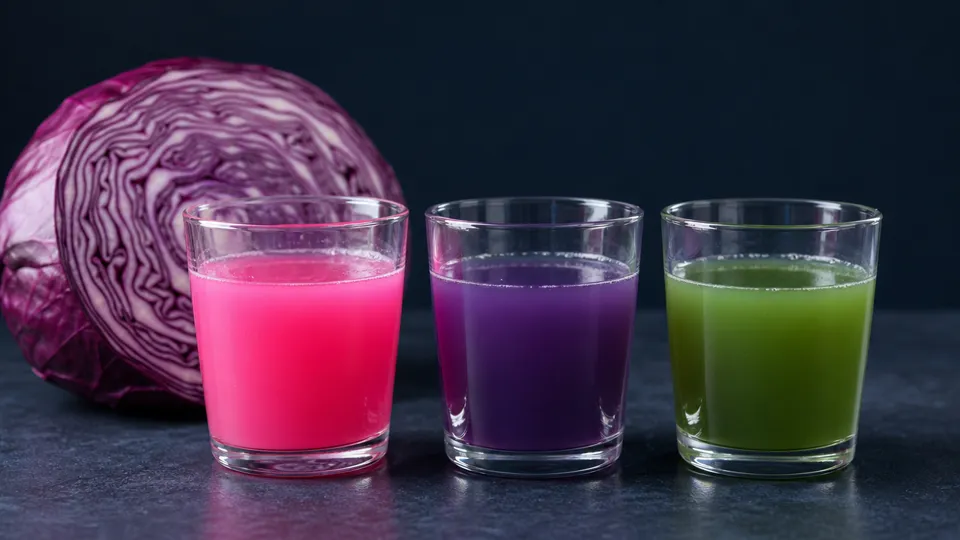
Why does the same purple cabbage juice turn pink in one cup and green in another?
Why does a warm soda go flat so much faster than a cold one?
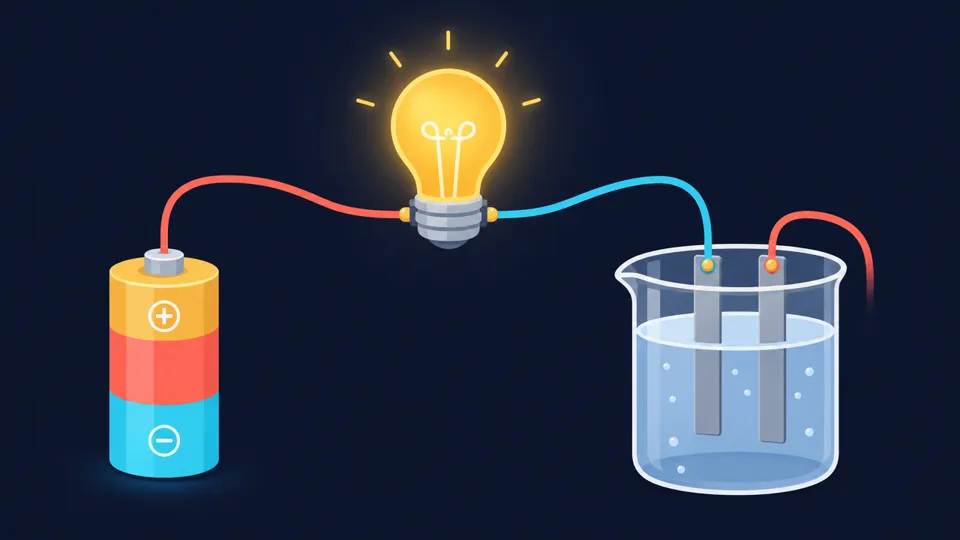
Why does salt water conduct electricity, but sugar water doesn't?
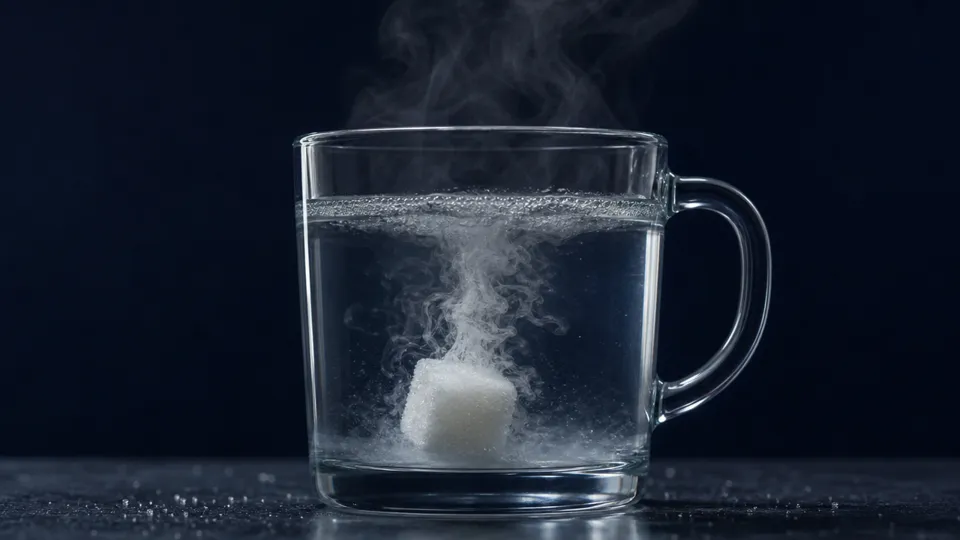
Sugar vanishes in hot coffee but sits at the bottom of iced tea. Why?
Word Wall
The 12 words you'll own by the end of this unit. Tap any card to flip it. Words you collect in the activities get a ✓.
Unit Roadmap
Four parts, in the order we'll learn them.

Part 1: What Is a Solution?
- Solute & solvent
- Solutions in every state
- Dissolving up close
- Electrolytes & conductivity
Part 2: Dissolving Rate & Concentration
- Three ways to dissolve faster
- Dilute vs. concentrated
- Concentration in g/L
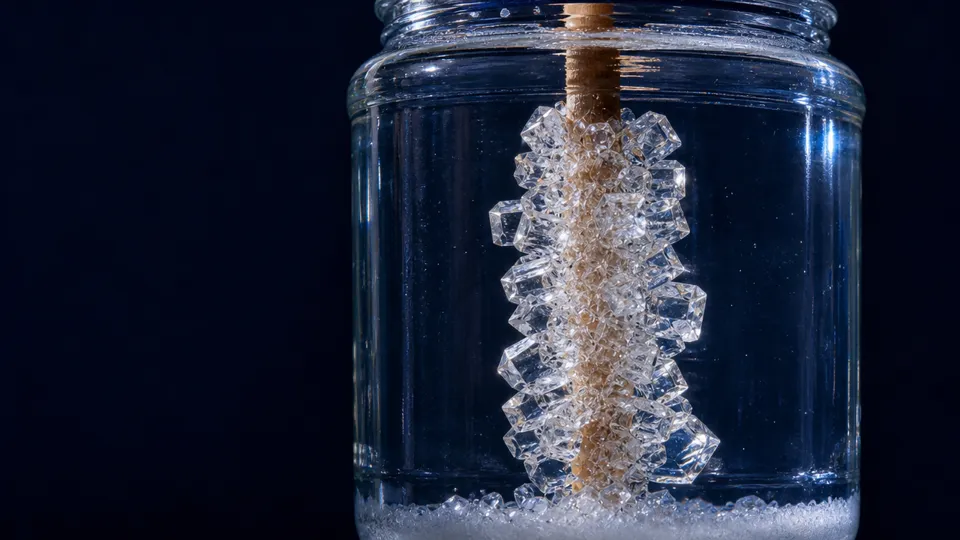
Part 3: Solubility & Solubility Curves
- Saturated, unsaturated, supersaturated
- Reading the curves
- Why gases break the rule
Part 4: Acids, Bases & pH
- Acids (H⁺) & bases (OH⁻)
- The pH scale — each step ×10
- Indicators
- Neutralization
Learning Targets & Success Criteria
I am learning to…
- Explain the properties of solutions: solute and solvent, conductivity, and concentration
- Investigate how temperature, surface area, and agitation affect how fast a solute dissolves
- Interpret solubility curves to describe how temperature affects solubility
- Explain how the structure of acids and bases relates to pH and indicator color, and classify household substances
I will be successful when I can…
- Name the solute and solvent in any mixture and explain why salt water conducts but sugar water doesn't
- Make anything dissolve faster and explain why, particle by particle
- Calculate concentration and tell a dilute solution from a concentrated one
- Read a solubility curve: saturated, unsaturated, supersaturated, and how many grams crystallize when it cools
- Use the pH scale and indicators to classify household substances as acid, base, or neutral
Standards
Obtain, evaluate, and communicate information to explain the properties of solutions.
Develop and use models to explain the properties (solute/solvent, conductivity, and concentration) of solutions.
Plan and carry out investigations to determine how temperature, surface area, and agitation affect the rate solutes dissolve in a specific solvent.
Analyze and interpret data from a solubility curve to determine the effect of temperature on solubility.
Obtain and communicate information to explain the relationship between the structure and properties (e.g., pH, and color change in the presence of an indicator) of acids and bases.
Plan and carry out investigations to detect patterns in order to classify common household substances as acidic, basic, or neutral.
Solutions
SPS6.a · SPS6.bSolubility Curves
SPS6.cAcids & Bases
SPS6.dpH of Household Substances
SPS6.eKeep going
Free activities for this unit that go deeper.