 Tobin
TobinExplore
Jump in anywhere, in any order. Every activity reshuffles each time you play, so there's always something new. You earn kilopascals for every right answer.
Big questions to wonder about
By the end of this unit, you'll be able to answer every one of these.

What could push a sealed chip bag outward from the inside if nothing was added?
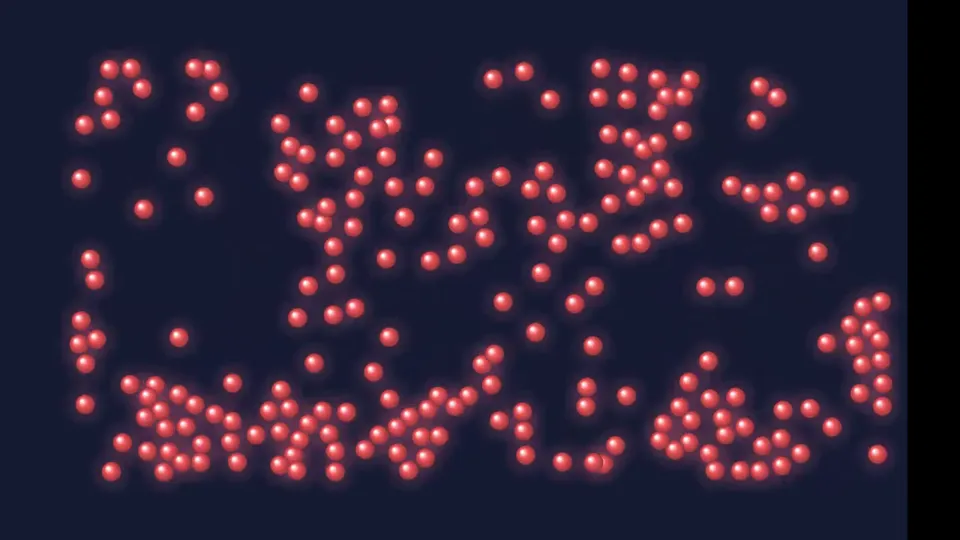
Why does a sealed bottle cave inward on a cold night?

Why does the temperature of ice water stay stuck at 0 °C while it's being heated?
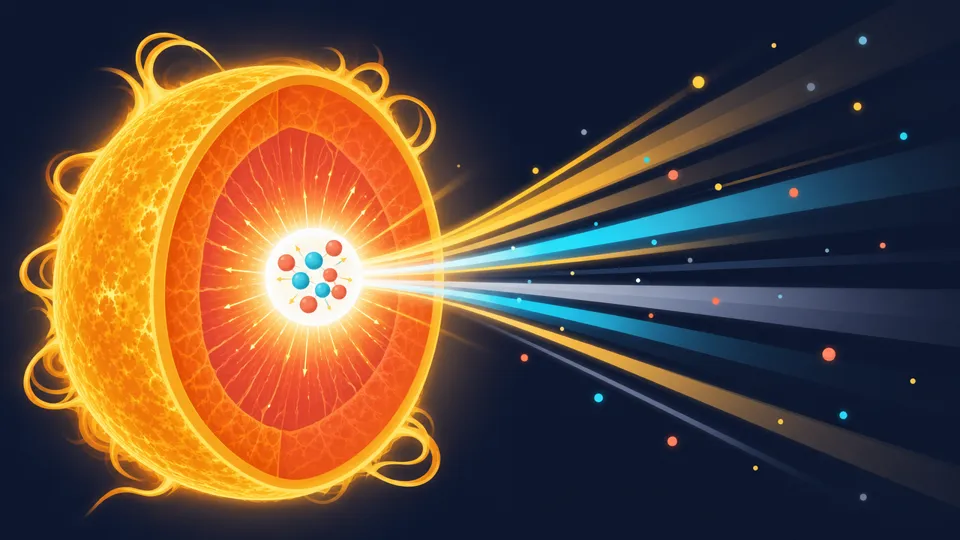
Why is plasma — not solid, liquid, or gas — the most common state of ordinary matter in the universe?
Word Wall
The 14 words you'll own by the end of this unit. Tap any card to flip it. Words you collect in the activities get a ✓.
Unit Roadmap
Three parts, in the order we'll learn them.
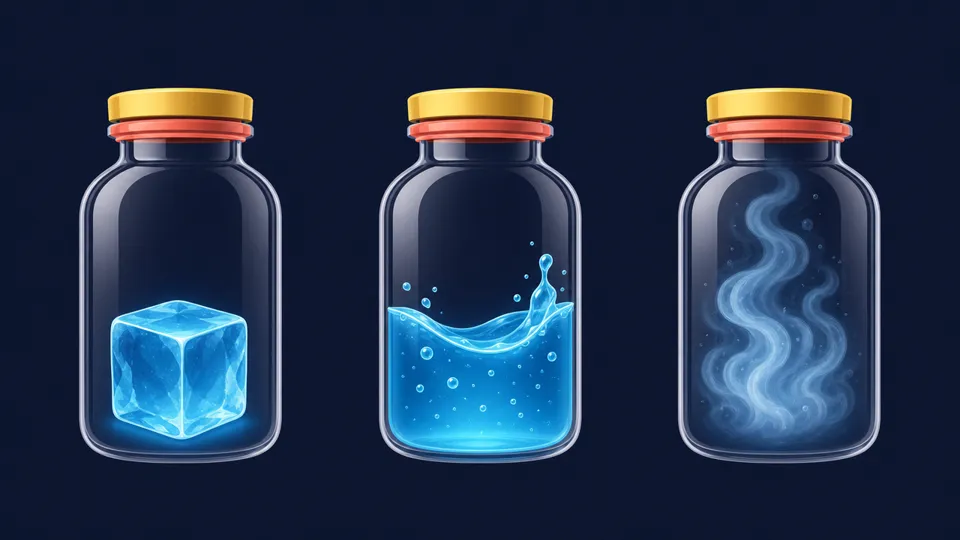
Part 1: Kinetic Molecular Theory & the Four States
- Particles are always moving
- Solid, liquid, gas & plasma models
- Plasma: the forgotten state
Part 2: Phase Changes & Heating Curves
- The six phase changes
- Evaporation vs. boiling
- Why the heating curve flatlines
Part 3: Gas Laws: Pressure, Volume & Temperature
- What gas pressure is
- Boyle's law (P₁V₁ = P₂V₂)
- Charles's law — in Kelvin
- Gas density
Learning Targets & Success Criteria
I am learning to…
- Identify the similarities and differences between the particle arrangement and motion in solids, liquids, gases and plasma
- Identify the relationships between temperature, pressure, volume and density of gases in closed systems
I will be successful when I can…
- Compare and contrast particle models and speeds of particle movement for the states of matter
- Understand that temperature does not change during a change of phase
- Perform an investigation to explain how changes in variables (temperature, pressure, volume, density) affect particle movement in gases
Standards
Obtain, evaluate, and communicate information to compare and contrast the phases of matter as they relate to atomic and molecular motion.
Ask questions to compare and contrast models depicting the particle arrangement and motion in solids, liquids, gases, and plasmas.
Plan and carry out investigations to identify the relationships among temperature, pressure, volume, and density of gases in closed systems.
States of Matter
SPS5.aHeating Curves
SPS5.aKeep going
Free activities for this unit that go deeper.