 Tobin
TobinExplore
Jump in anywhere, in any order. Every activity reshuffles each time you play, so there's always something new. You earn hertz for every right answer.
Big questions to wonder about
By the end of this unit, you'll be able to answer every one of these.
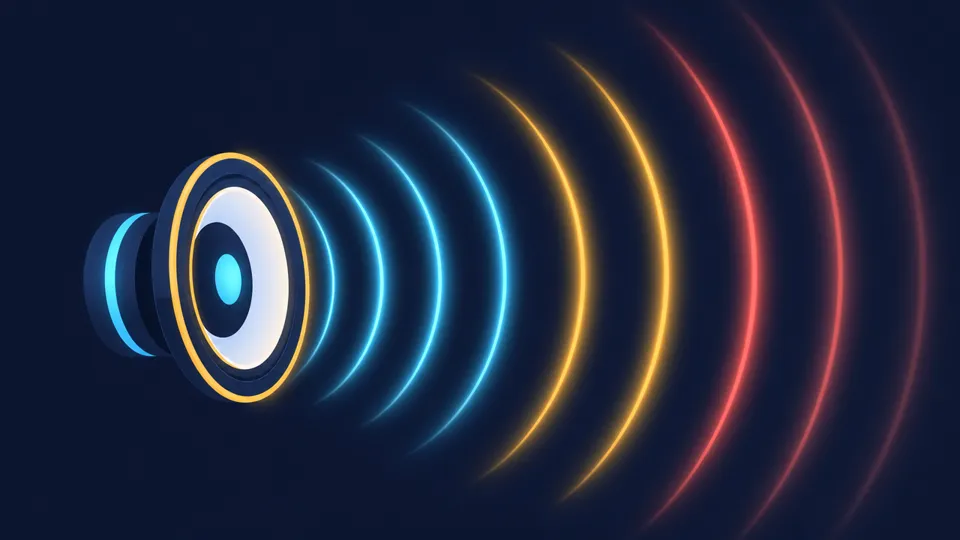
Why is sound so much faster through steel than through air?

Why can sunlight cross 150 million km of empty space when sound can't cross a vacuum jar?

Why does an ambulance siren's pitch drop as it passes — but the driver hears no change?
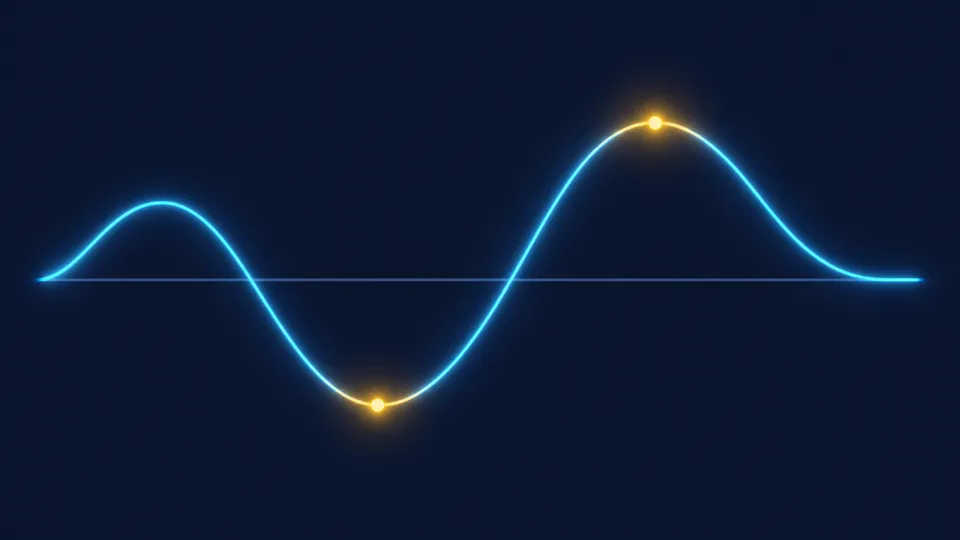
When a stadium does "the wave," what actually travels around the stadium?
Word Wall
The 14 words you'll own by the end of this unit. Tap any card to flip it. Words you collect in the activities get a ✓.
Unit Roadmap
Four parts, in the order we'll learn them.
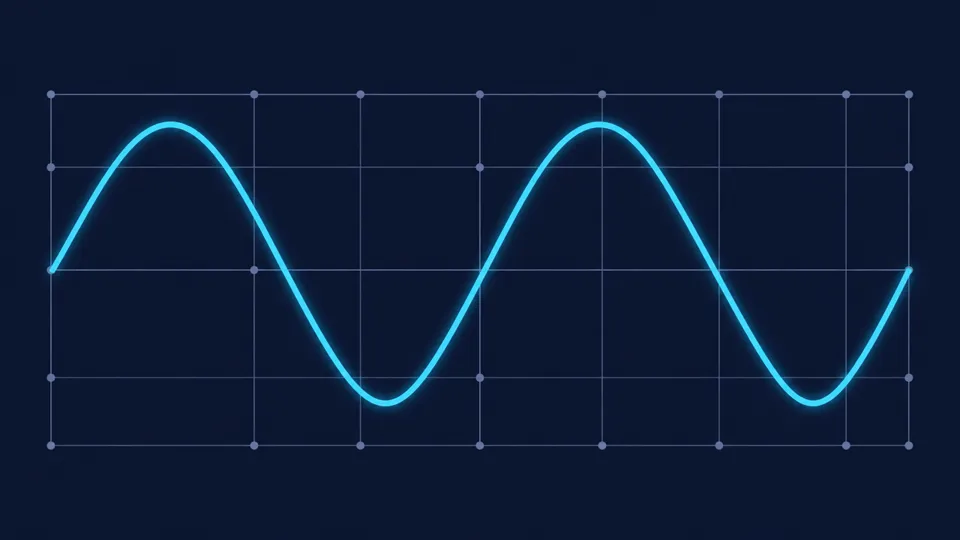
Part 1: Wave Anatomy & Types
- What a wave is
- Transverse vs. longitudinal
- Measuring a wave
- v = fλ

Part 2: The EM Spectrum & EM vs. Mechanical
- Electromagnetic waves
- Radio to gamma
- λ, f, and energy
- Light math: c = fλ
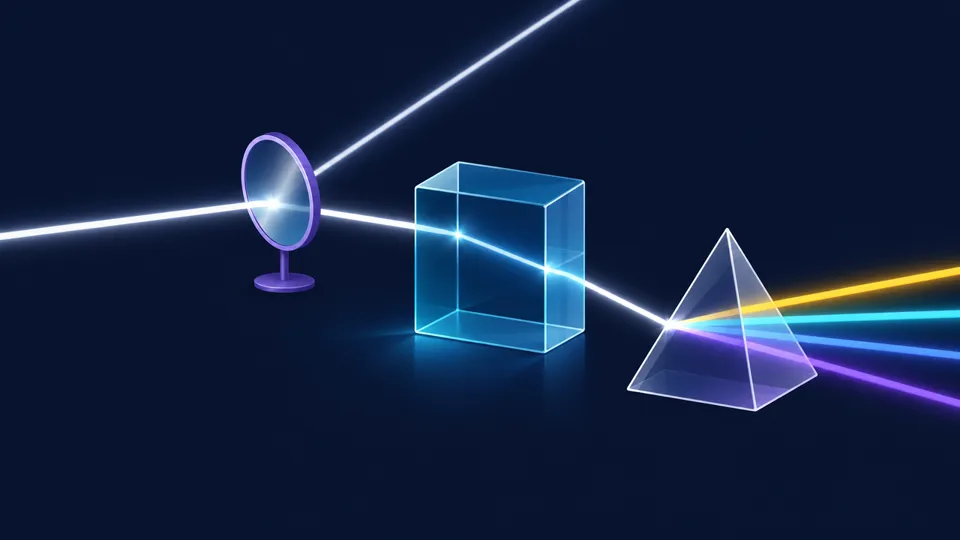
Part 3: Wave Behaviors & Interactions
- Reflection
- Refraction
- Diffraction
- Interference

Part 4: Sound, Media & the Doppler Effect
- Sound needs a medium
- Speed of sound in media
- Speed of light in media
- The Doppler Effect
Learning Targets & Success Criteria
I am learning to…
- Identify the parts of longitudinal and transverse waves
- Identify the similarities and differences between electromagnetic and mechanical waves
- Interpret the relationship among wavelength, frequency and energy in electromagnetic waves
- Interpret the relationship between amplitude and energy in mechanical waves
I will be successful when I can…
- Label a diagram of a longitudinal and transverse wave
- Compare & contrast the characteristics of electromagnetic and mechanical waves
- Construct a model to compare electromagnetic waves and mechanical waves
- Measure the wavelength and frequency of a wave and explain how wavelength and frequency relate to the energy of the wave
- Identify the placement of each type of wave (e.g., gamma, x-ray, ultraviolet, visible, infrared, micro, radio) along the electromagnetic spectrum
- Compare the relative wave energy, frequency and wavelength of different regions of the electromagnetic spectrum
- Explain how wavelength and frequency relate to each other
- Measure the amplitude of a mechanical wave and illustrate how amplitude relates to the energy of the wave
Standards
Obtain, evaluate, and communicate information to explain the properties of waves.
Analyze and interpret data to identify the relationships among wavelength, frequency, and energy in electromagnetic waves and amplitude and energy in mechanical waves.
Ask questions to compare and contrast the characteristics of electromagnetic and mechanical waves.
Develop models based on experimental evidence that illustrate the phenomena of reflection, refraction, interference, and diffraction.
Analyze and interpret data to explain how different media affect the speed of sound and light waves.
Develop and use models to explain the changes in sound waves associated with the Doppler Effect.