Tobin Science — Properties & Changes in Matter
Learning targets
Georgia S8P1d — Construct an argument based on observational evidence to support the claim that when a change in a substance occurs, it can be classified as either chemical or physical.
- I can tell a physical property (observed or measured without changing the substance) from a chemical property (how it can change into something new).
- I can give examples of each.
- I can explain why density, melting point, and boiling point are physical properties.
- I can calculate density and use it to identify a substance.
- I can classify a change as physical or chemical.
- I can list the signs that a chemical change may have happened, and say when a sign can fool you.
- I can make a claim about a change and support it with observations and reasoning.
The one question
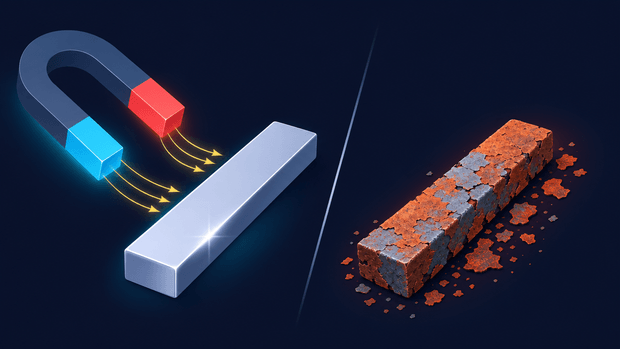
Properties: describing what something is like
- color, luster (shininess), texture
- hardness, malleability (can be hammered flat), ductility
- state of matter at room temperature
- magnetism, conductivity (heat or electricity)
- solubility (does it dissolve?)
- density, melting point, boiling point
- reactivity with water, acid, or oxygen (does it rust? tarnish? fizz?)
- combustibility / flammability (does it burn?)
- ability to rot or decompose
- toxicity (how it reacts inside a living thing)
Sort the properties
Click a property, then click the bucket it belongs in.
Density: a substance's ID card
Density = mass ÷ volume. It tells you how much stuff is packed into each cubic centimeter. Units: g/cm3 for solids, g/mL for liquids (and 1 cm3 = 1 mL).
Density is a characteristic property: it is the same no matter how big the sample is. A gold ring and a gold bar are both 19.3 g/cm3. That is why density can identify a substance.
| Substance | Density (g/cm³) |
|---|
Changes: something happens to the substance

- all changes of state: melting, freezing, boiling, evaporating, condensing
- dissolving (salt in water is still salt: evaporate the water and it comes back)
- cutting, tearing, crushing, grinding, bending, stretching
- mixing things without a reaction
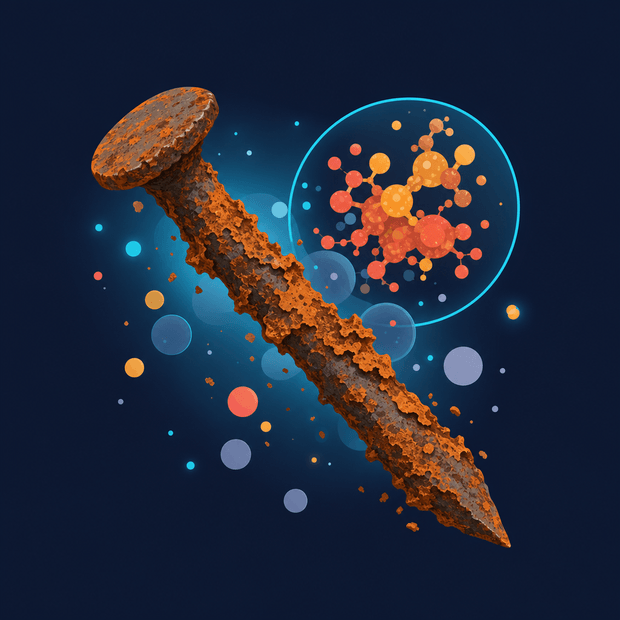
- burning, rusting, tarnishing
- baking a cake, frying an egg, digesting food
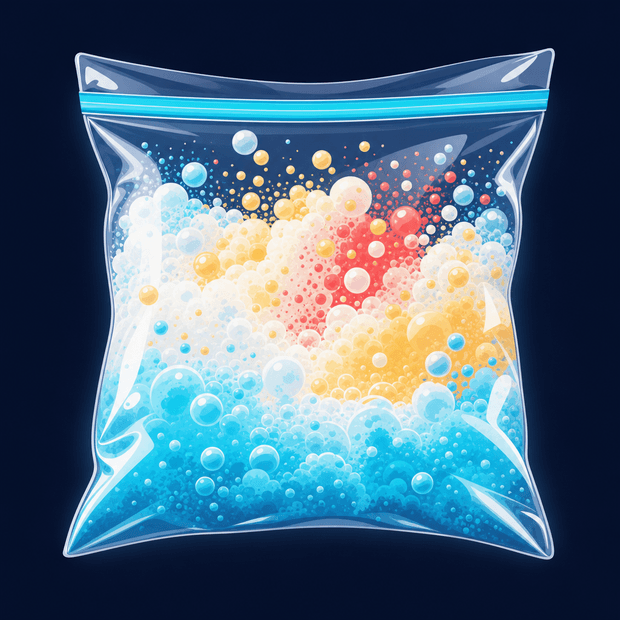
- baking soda + vinegar fizzing
- a glow stick lighting up, fireworks, rotting
Evidence that a chemical change MAY have happened
Each of these is evidence, not proof. The final test is always: is there a new substance?
Evidence judge
Read the scene. Call it physical or chemical. Then pick the observations that back you up.
Build a claim-evidence-reasoning argument
This is the test question. Pick a scene, then choose the claim, check the evidence, and pick the reasoning. The paragraph writes itself below.
One-minute video
Simple Science: physical and chemical changes. Needs wifi.
Show the video
How are you feeling about this today?
Nothing here is graded. Switch levels any time.
Printable worksheets
Student page first, answer key on the next page. Shuffle to pull a fresh set.
Standards and targets
S8P1c — compare and contrast chemical (reactivity, combustibility) and physical (density, melting point, boiling point) properties. S8P1d — construct an argument from observational evidence that a change is chemical or physical. The evidence judge and CER builder are aimed squarely at S8P1d's argument.
- Target 1: physical vs chemical properties with examples.
- Target 2: density, melting point, boiling point as physical properties; D = m ÷ V and identification.
- Target 3: physical vs chemical change; the five signs and their exceptions.
- Target 4: claim, evidence, reasoning.
How the levels differ
Classroom notes
- The demo of the unit: baking soda in a sealed bag with a small cup of vinegar inside. Mass it, tip the cup, watch it inflate and get cold, mass it again. Same number. Chemical-change evidence and conservation in five minutes. Then open the bag and re-mass: open vs closed system.
- Hold up a nail. "Tell me everything about it without changing it" (physical). "Now, what can I only find out by destroying it?" (chemical). That line is the whole lesson.
- Say the nuance out loud: temperature change counts as evidence when the mixture heats or cools itself, not when you heat it. That is exactly what the CER test question turns on.
- Density reps: two or three D = m ÷ V problems on the board, and the cut-it-in-half question. Units: g/cm3 for solids, g/mL for liquids.
- Misconceptions handled on the page: melting point is chemical; bigger means denser; dissolved salt is gone; boiling bubbles are a reaction; burning destroys matter.
- Nothing is collected. Pairs with Unit 2 guided notes Parts 3 and 4, and Density Dive on the Virtual Lab Bench.