 Tobin
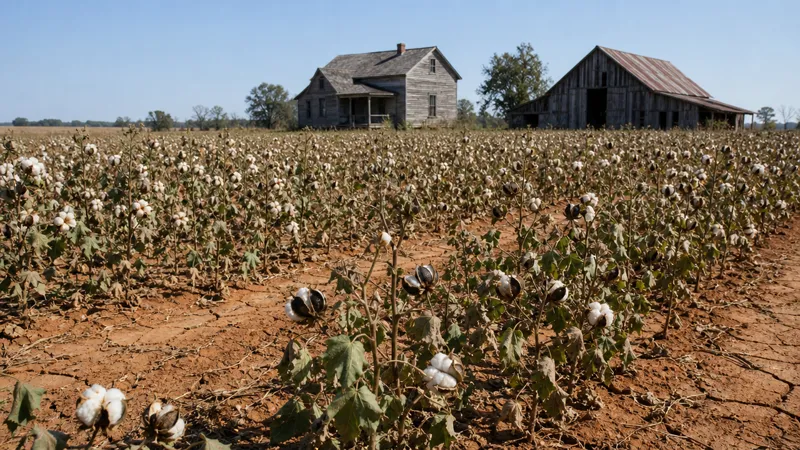
Explore
Jump in anywhere, in any order. Every activity reshuffles each time you play, so there's always something new. You earn dimes for every right answer.
Big questions to wonder about
By the end of this unit, you'll be able to answer every one of these.
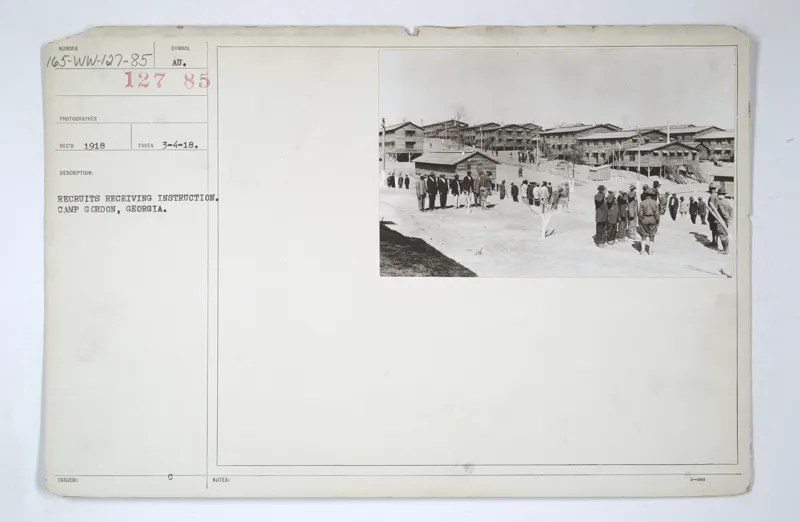
Not one World War I battle came near Georgia. So why did thousands of soldiers end up training here?Photo: National Archives
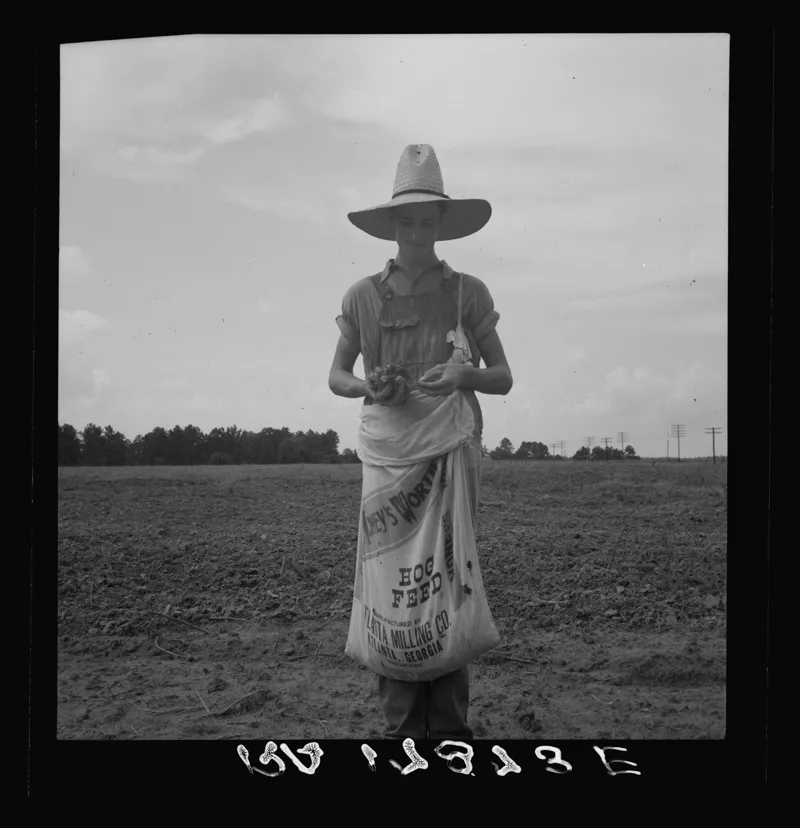
How could a beetle smaller than a fingernail empty out farm towns all over the state?Photo: Library of Congress
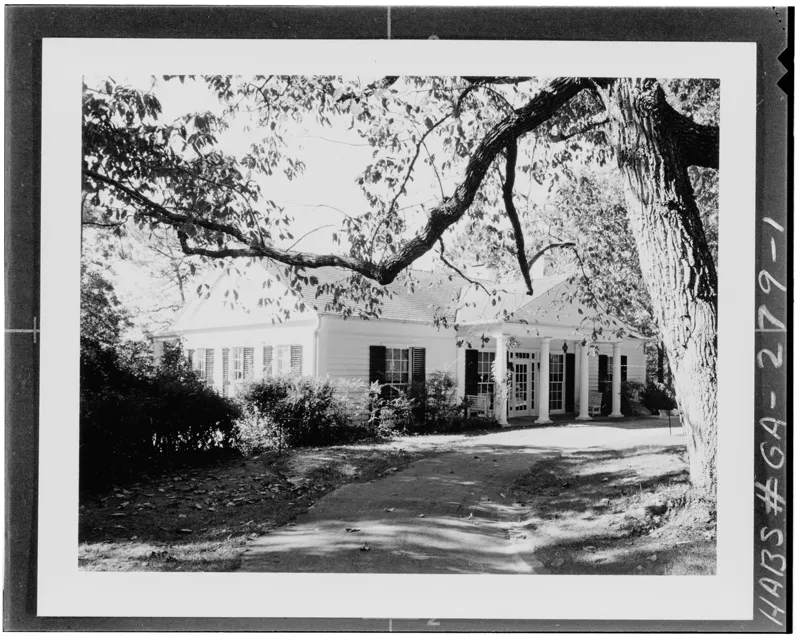
Why would a president from New York call a small town in Meriwether County his second home?Photo: Library of Congress, HABS
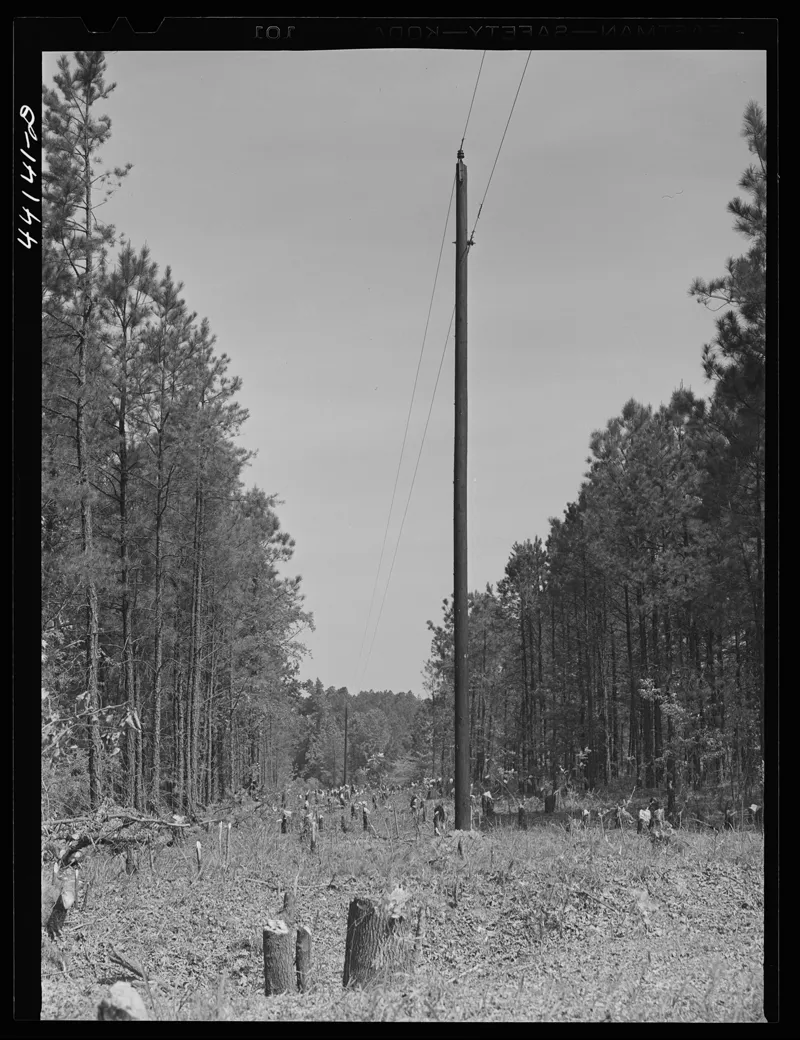
In 1940 most Georgia farms still had no electric lights. What changed that, and how fast?Photo: Library of Congress
Word Wall
The 18 words you'll own by the end of this unit. Tap any card to flip it. Words you collect in the activities get a ✓.
Unit Roadmap
8 parts, in the order we'll learn them.
Photo: National ArchivesPart 1: Georgia and World War I
- From neutral to war, 1914–1918
- Georgians in uniform
- The training camps
- Cotton, cloth and Liberty Bonds; the Great Migration begins
Photo: Library of CongressPart 2: The Boll Weevil, the Drought and the Depression
- How to read a graph in five steps
- The boll weevil crosses Georgia
- Droughts of the 1920s and 1930–1931
- The 1929 crash and the Great Depression
Photo: Library of Congress, HABSPart 3: Roosevelt and Warm Springs
- Why Roosevelt came to Georgia
- The Foundation and the Little White House
- What Georgia taught Roosevelt
- His impact on the state
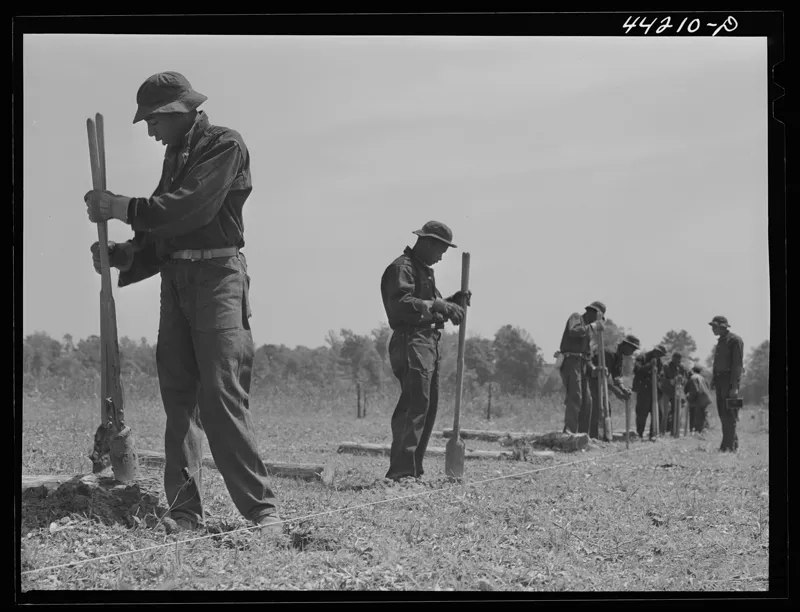 Photo: Library of Congress
Part 4: The New Deal in Georgia
- Relief, recovery and reform
- The CCC and the AAA
- The REA and Georgia's EMCs
- Social Security
 Photo: Library of Congress
Part 5: Eugene Talmadge and the New Deal
- Who Talmadge was
- His case against the New Deal
- What he did
- What Georgia's voters decided
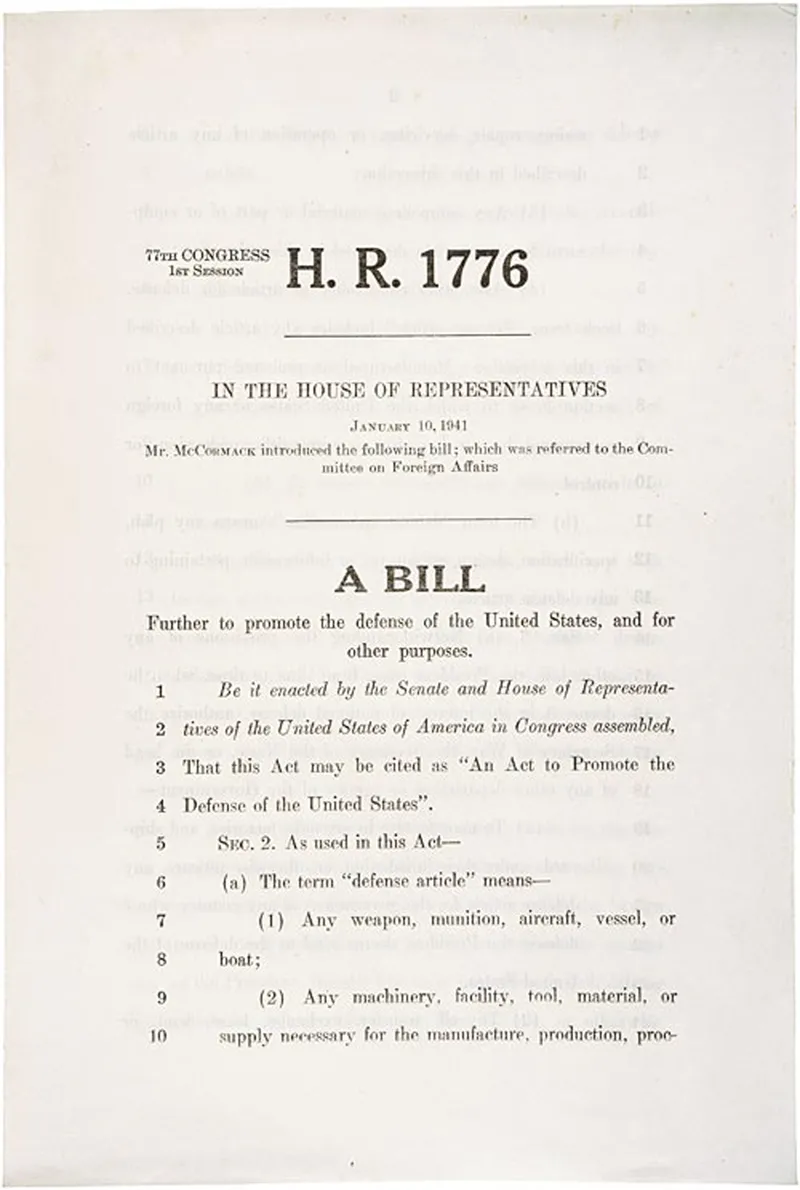 Photo: National Archives
Part 6: Lend-Lease and Pearl Harbor
- A second world war
- Staying out: the Neutrality Acts
- Lend-Lease, 1941
- Pearl Harbor, 7 December 1941
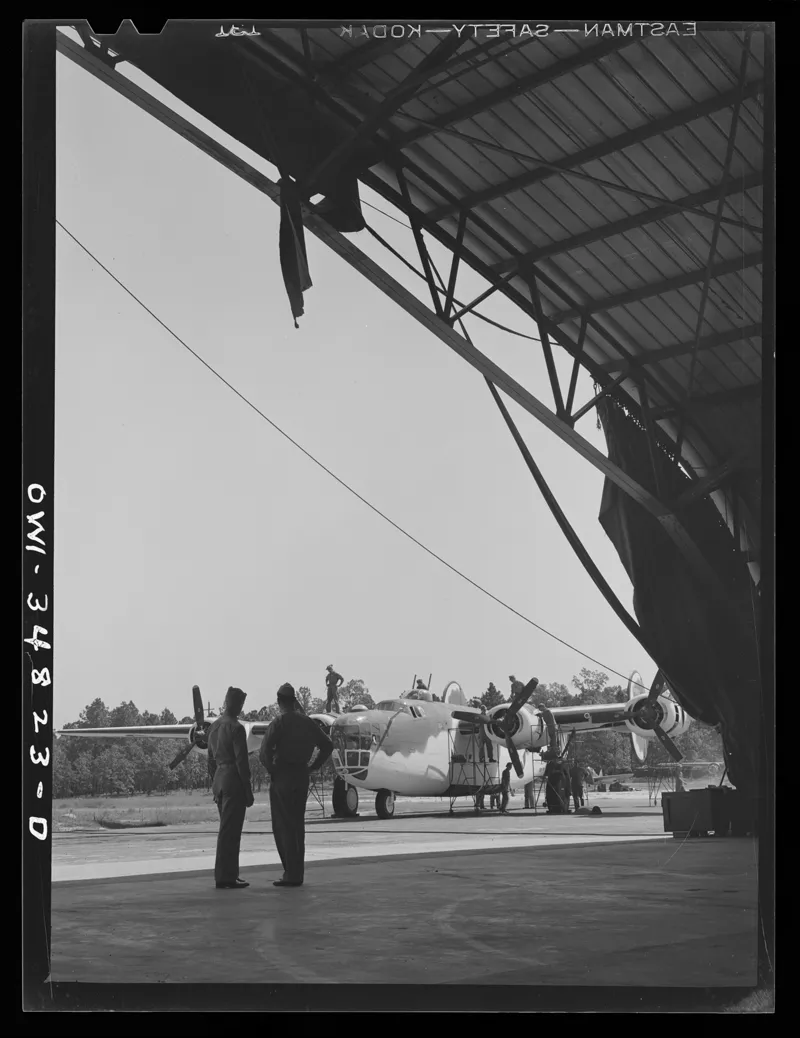 Photo: Library of Congress
Part 7: Georgia on the Home Front
- What a home front is
- Military bases
- The Bell Bomber Plant
- The Savannah and Brunswick shipyards
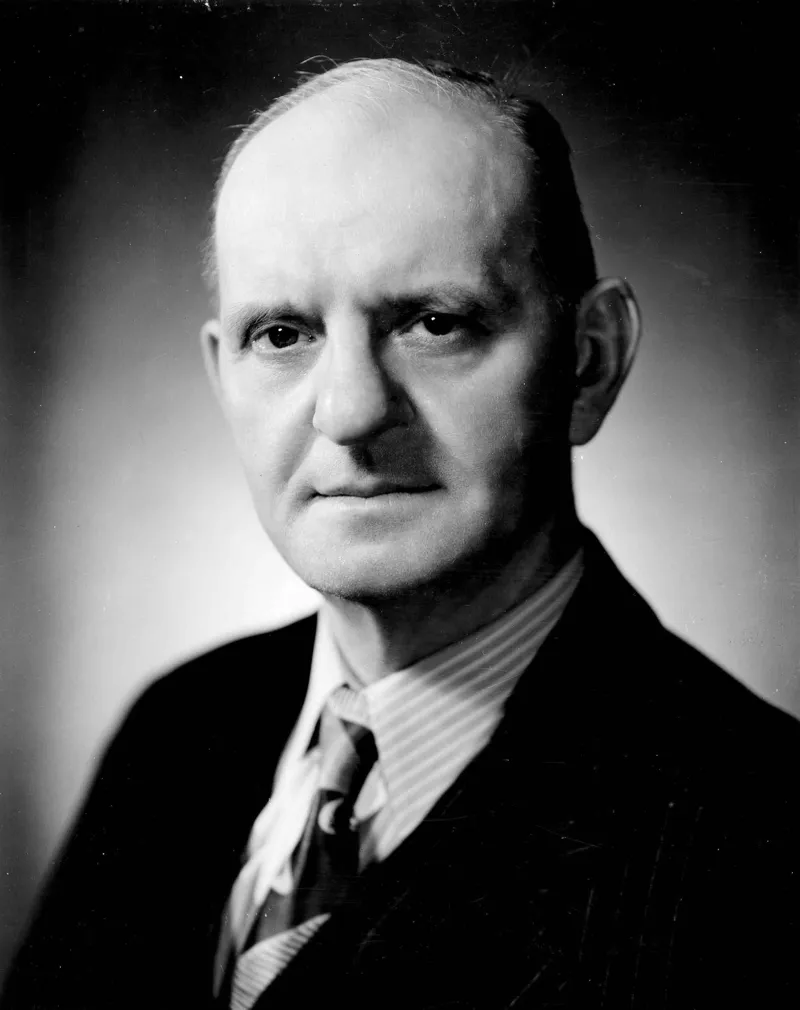 Photo: National Archives
Part 8: Richard Russell and Carl Vinson
- Carl Vinson and the two-ocean Navy
- Richard Russell in the Senate
- Why Georgia got so many bases
- What lasted after the war
Learning Targets & Success Criteria
I am learning to…
- Describe what Georgia gave to World War I: people, places and products
- Explain how the boll weevil, drought and the 1929 crash brought on the Great Depression in Georgia
- Discuss Franklin Roosevelt's ties to Warm Springs and his impact on Georgia
- Examine the effects of the CCC, the AAA, the REA and Social Security in Georgia
- Describe Eugene Talmadge's opposition to the New Deal, stating both sides fairly
- Describe the events that led the United States into World War II, including Lend-Lease and Pearl Harbor
- Evaluate the purpose and economic impact of Georgia's bases, bomber plant and shipyards
- Explain the economic and military contributions of Richard Russell and Carl Vinson
I will be successful when I can…
- Name Georgia's World War I training camps and explain why the Army chose Georgia
- Read a graph in five steps and use it to show when Georgia's cotton crop fell
- Trace the chain from the boll weevil and drought to failed banks and lost jobs
- Tell what Roosevelt built at Warm Springs and how Georgia shaped the New Deal
- Match each New Deal program to what it did in Georgia, and sort it as relief, recovery or reform
- State what Talmadge argued and what New Deal supporters argued, without taking a side
- Put the road from neutrality to Lend-Lease to Pearl Harbor in order
- Back a judgment about the home front with a number, and name what Russell and Vinson did for Georgia
Standards
Analyze Georgia's participation in important events that occurred from World War I through the Great Depression, and describe the role of Georgia in WWII.
Describe Georgia's contributions to World War I.
Explain economic factors that resulted in the Great Depression. (e.g., boll weevil and drought).
Describe Eugene Talmadge's opposition to the New Deal Programs.
Discuss President Roosevelt's ties to Georgia, including his visits to Warm Springs and his impact on the state.
Examine the effects of the New Deal in terms of the impact of the Civilian Conservation Corps, Agricultural Adjustment Act, Rural Electrification Administration, and Social Security Administration.
Describe key events leading up to American involvement in World War II; include the Lend-Lease Act and the bombing of Pearl Harbor.
Evaluate the purpose and economic impact of the Bell Bomber Plant, military bases, and the Savannah and Brunswick shipyards.
Explain the economic and military contributions of Richard Russell and Carl Vinson.
Keep going
Free tools for Early 20th Century that go deeper.
Maps, diagrams and globes on this page were drawn for this course from real coordinates (coastlines: Natural Earth, public domain). Pictures marked “Illustration (AI-generated)” were generated from written descriptions. They show places, not any real person, and are not photographs of a real location. Photographs are public domain and credited on the picture.