 Tobin
TobinExplore
Jump in anywhere, in any order. Every activity reshuffles each time you play, so there's always something new. You earn mev for every right answer.
Big questions to wonder about
By the end of this unit, you'll be able to answer every one of these.
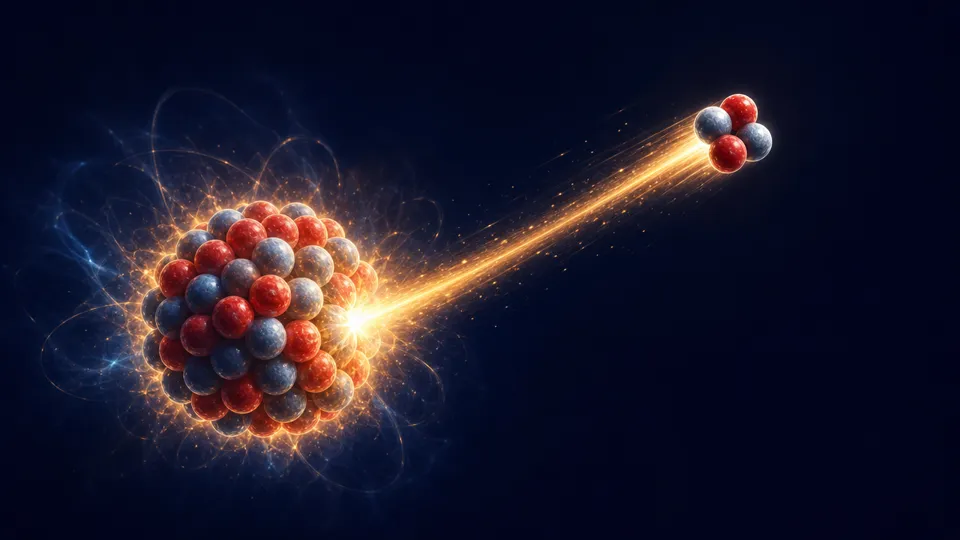
Why are some atoms radioactive, while the carbon in your pencil just sits there forever?

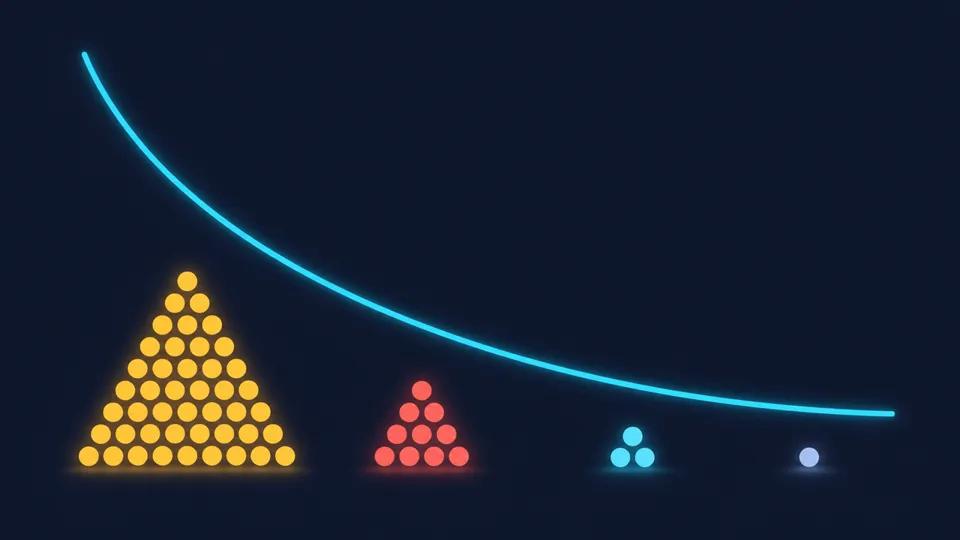
If radioactive atoms are always falling apart, why hasn't all the radioactive stuff on Earth disappeared by now?

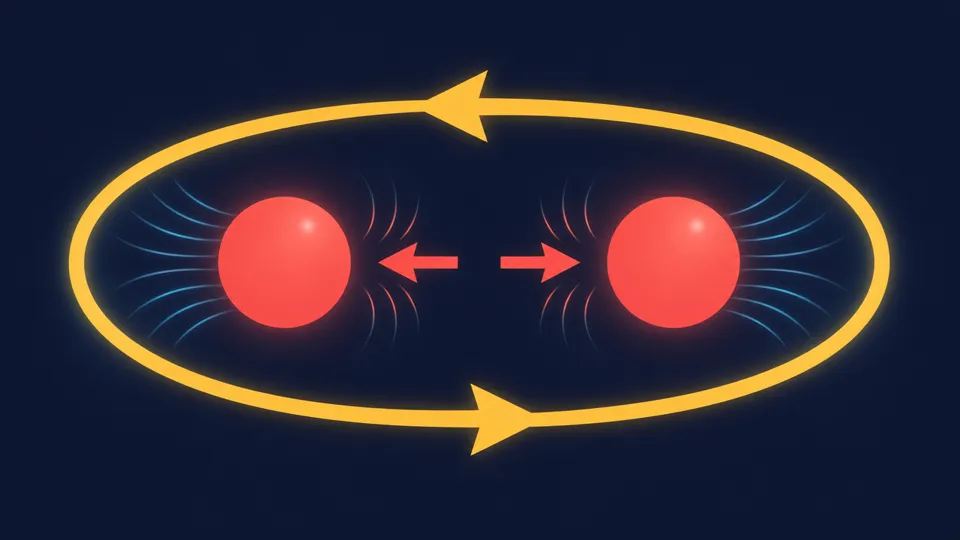
A banana and a smoke detector are both radioactive. Why is it safe to eat one and hang the other in your hallway?
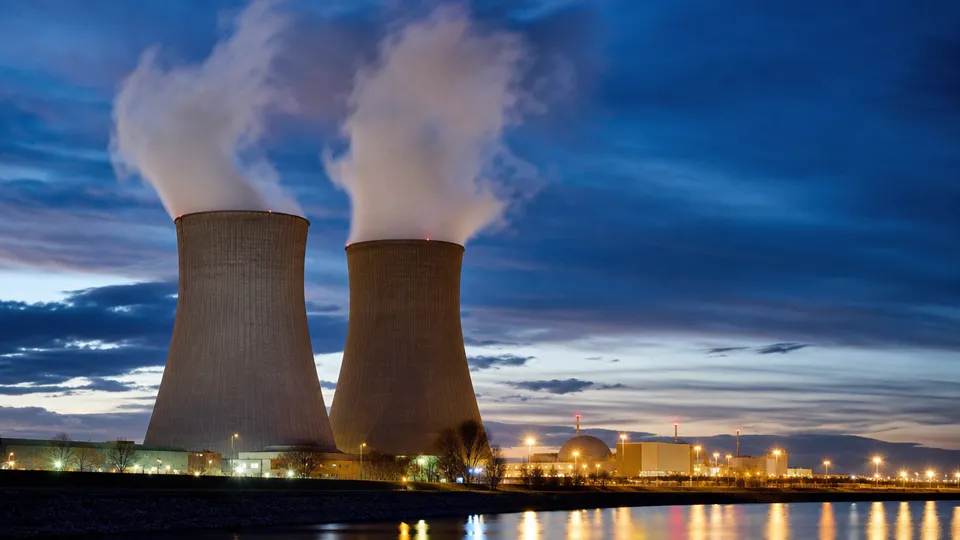
Nuclear power makes about a quarter of Georgia's electricity with no carbon emissions while it runs. So why do many people oppose building more plants?
Word Wall
The 12 words you'll own by the end of this unit. Tap any card to flip it. Words you collect in the activities get a ✓.
Unit Roadmap
Five parts, in the order we'll learn them.
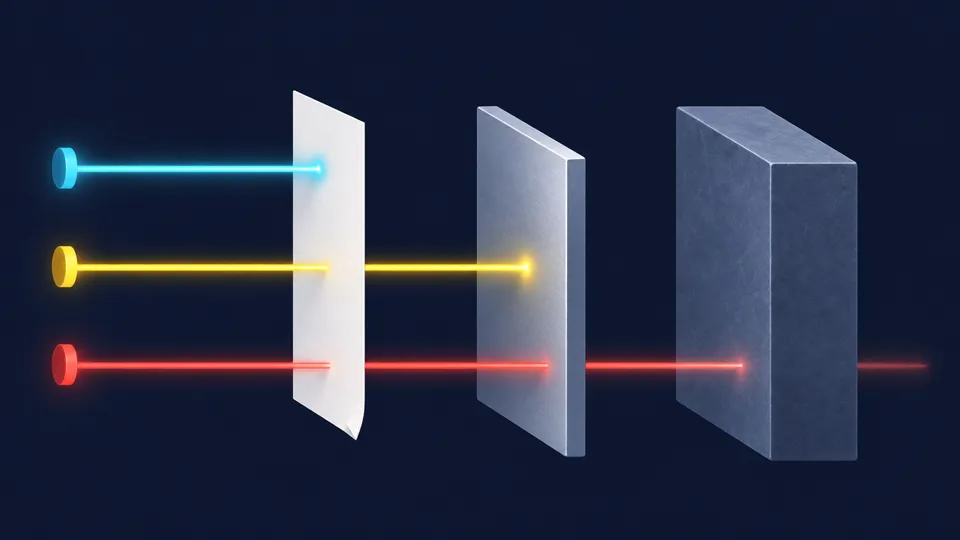
Part 1: Radiation: Alpha, Beta & Gamma
- Why some atoms fall apart
- The big three: alpha, beta, gamma
- Radiation safety & background radiation
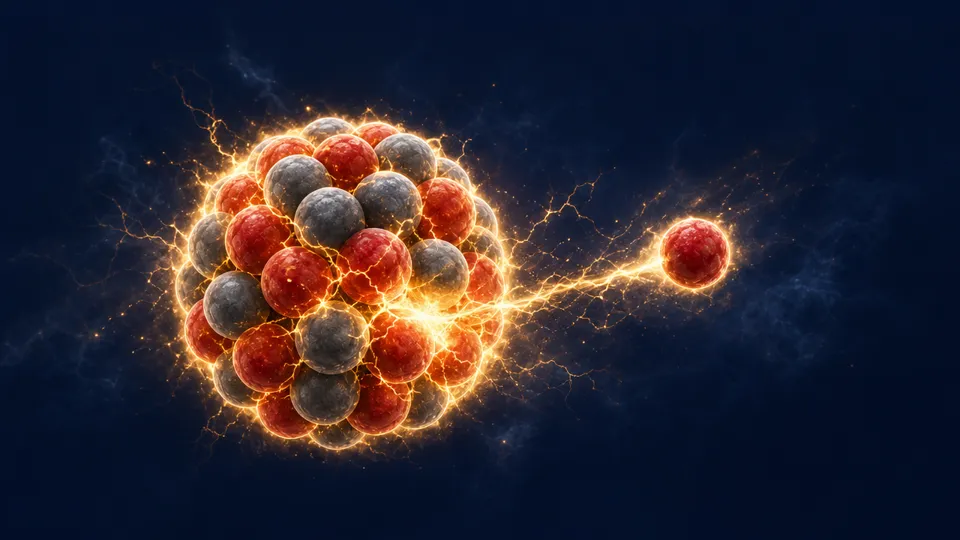
Part 2: Nuclear Equations
- Reading a nuclide symbol
- The two golden rules: A and Z balance
- Alpha, beta, and gamma decay
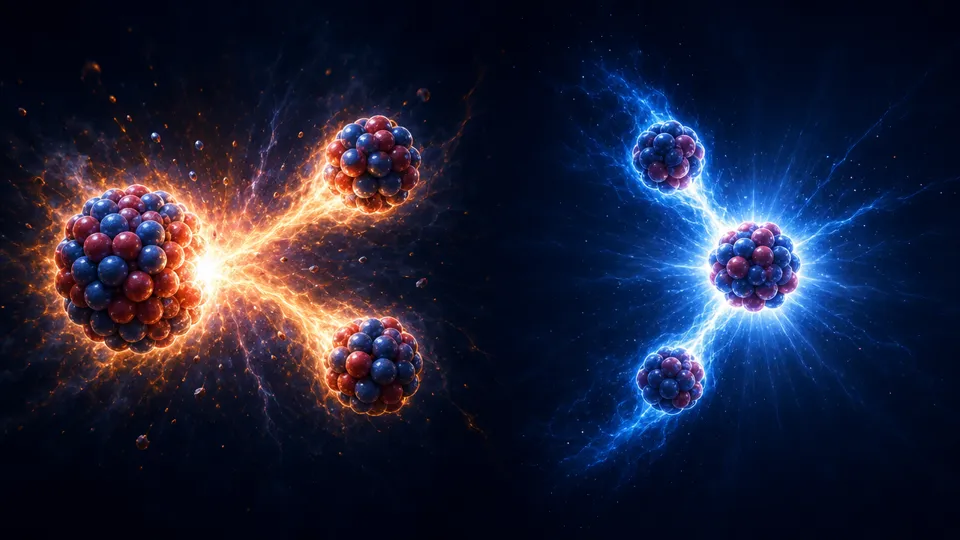
Part 3: Fission & Fusion
- Fission: splitting the heavyweight
- Chain reactions & control rods
- Fusion: the Sun's engine
Part 4: Half-Life Math
- What a half-life is
- The table method
- The three problem types
- Reading a decay curve
Part 5: Debate Week: Should Cedar Bend Build a Plant?
- Benefits and problems of nuclear energy
- Arguing with evidence (claim–evidence–reasoning)
- A town-hall hearing — you vote
Learning Targets & Success Criteria
I am learning to…
- Compare & contrast nuclear fission and fusion in terms of how the nucleus changes
- Calculate the half-life of radioactive isotopes
- Recognize the applications, benefits, and problems of nuclear energy as an alternative energy source
I will be successful when I can…
- Identify and correctly use isotope notation
- Develop a model that shows how the nucleus changes as a result of fission and fusion
- Calculate half-life
- Interpret data showing decay of radioactive elements to determine half-life
- Make arguments about the benefits and problems related to nuclear energy
Standards
Obtain, evaluate, and communicate information to explain the changes in nuclear structure as a result of fission, fusion and radioactive decay.
Develop a model that illustrates how the nucleus changes as a result of fission and fusion.
Use mathematics and computational thinking to explain the process of half-life as it relates to radioactive decay.
Construct arguments based on evidence about the applications, benefits, and problems of nuclear energy as an alternative energy source.
Nuclear Decay
SPS4.bFission & Fusion
SPS4.aNuclear Energy
SPS4.cKeep going
Free activities for this unit that go deeper.